

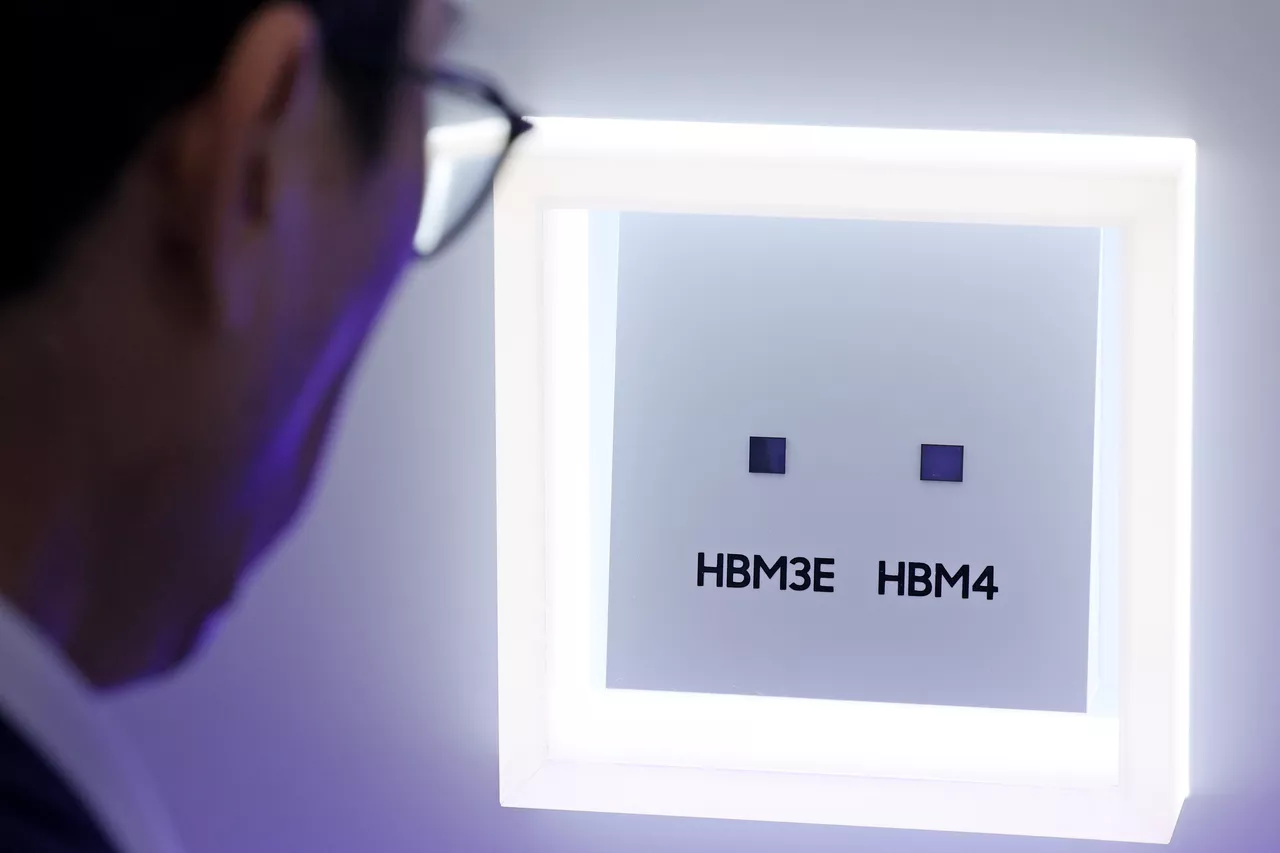
Samsung is gearing up for a significant shift in its High Bandwidth Memory (HBM) business. As the company advances toward HBM4 qualification, it is poised to stand shoulder to shoulder with its competitors, marking a potential turnaround for the Korean tech giant.
Samsung’s HBM4: Fast Speeds and Competitive Pricing
Despite previous challenges, including difficulties securing NVIDIA as a customer due to DRAM and thermal issues, Samsung has reengineered its approach with 1c DRAM technology. Reports suggest that Samsung’s HBM4 solution could be greenlit by NVIDIA by the end of the year, signifying a crucial advancement. According to industry insiders, Samsung has passed the production readiness approval for its HBM4 chips, the final step before mass production. As these samples undergo quality testing, there is optimism about clearing final verification soon.
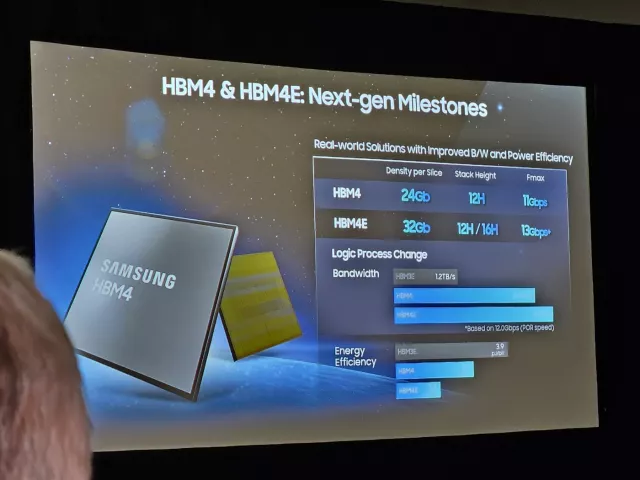
Samsung recently announced gaining NVIDIA’s confidence in its HBM4, but the real test lies in achieving favorable yield rates during mass production. By leveraging its 1c DRAM technology alongside a 4nm base die, Samsung aims to maintain strong yield rates, which is essential for widespread adoption. The company is positioning its HBM4 technology as a top choice by offering aggressive pricing and pin speeds of 11 Gbps, currently the fastest available. Samsung’s HBM4 is expected to be a game-changer, driven by unprecedented pin speeds and competitive pricing, setting the stage for broader market adoption.
Strategic Partnerships and Market Outlook
Samsung’s inclusion in NVIDIA’s list of HBM partners is a strategic move, crucial for both companies. NVIDIA aims to diversify its supply chain to secure enough DRAM capacity, ensuring a seamless Vera Rubin ramp-up. Meanwhile, Samsung is optimistic about its DRAM business, despite previous setbacks. The renewed interest from not just NVIDIA and AMD, but also key players in the ASIC space like Google, Meta, and Amazon, signals a promising future for Samsung’s HBM4 technology.