

16-Core Hygon C86 CPU Claimed to Hit 3.0 GHz Boost Clock with 95W TDP
The Hygon C86 CPU, a Chinese-made processor, is creating waves with its performance claims. With a design reportedly comparable to Intel’s 13th generation processors in multi-threaded tasks, the Hygon C86 is turning heads in the tech industry. This processor, which can potentially boost up to 3.0 GHz, represents a significant step forward in China’s domestic x86 design capabilities.
Impressive Specs and Competitive Performance
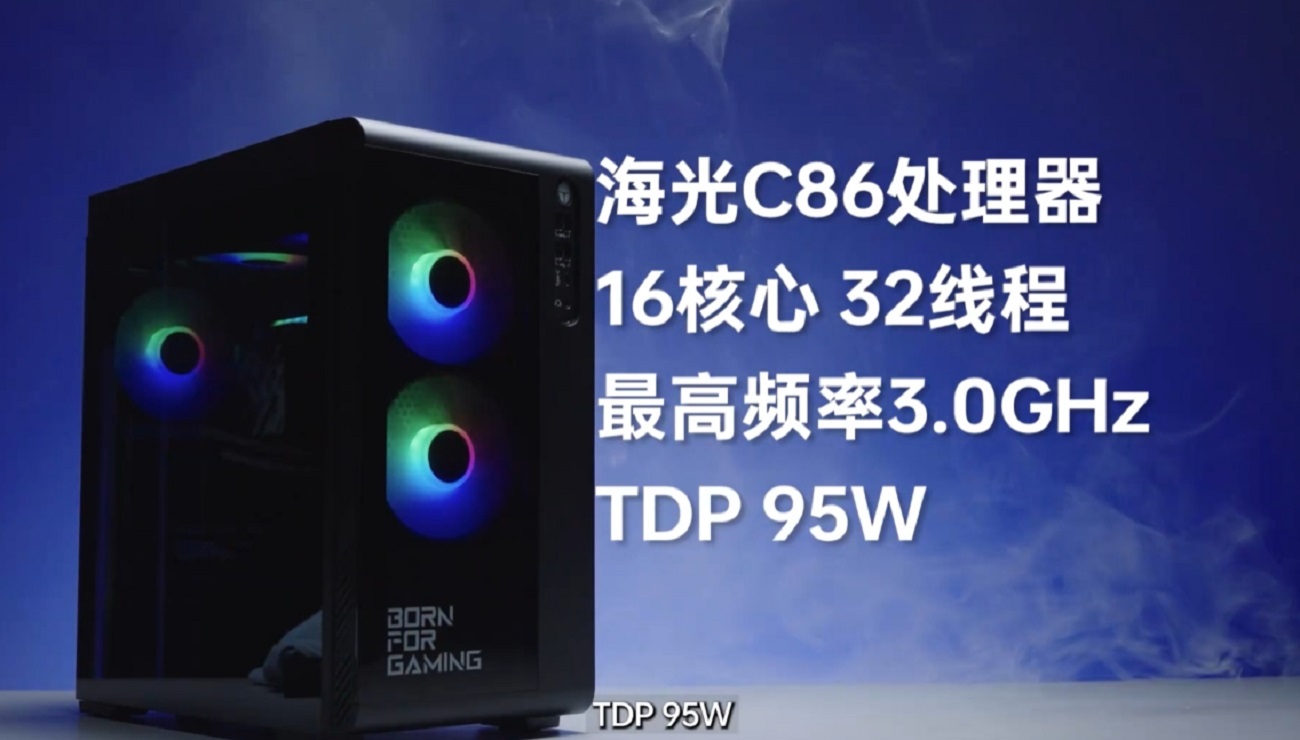
Sources indicate that the Hygon C86 series, featured in Thunderobot gaming PCs, delivers performance on par with Intel’s Raptor Lake Core i7 processors. Although it falls short in single-threaded tasks, its multi-threaded prowess is undeniable. The C86-4G variant is equipped with a robust 16-core/32-thread configuration, 32 MB of L3 cache, and supports DDR5 memory alongside PCIe Gen 5.0 bandwidth. The processor boasts a max boost clock of 3.0 GHz and a TDP of just 95 W, providing a balance of power and efficiency that could challenge other mainstream CPUs.
Efficiency and Market Potential
The Hygon C86’s 95 W TDP for a 16-core CPU is impressive when compared to other processors that often operate at higher power levels under load. This efficiency makes the C86 an attractive option for compact desktops and small form-factor PC builds. Despite its strengths, the processor must improve its single-threaded performance to compete more broadly. Meanwhile, system integrators like Thunderobot have shown confidence in the C86 series by adopting it over traditional options from AMD and Intel, suggesting it could become a noteworthy contender in the mid-range x86 market.
We eagerly await further official announcements regarding this intriguing CPU, as it promises to be a competitive alternative in the processor landscape.