

AMD Faces Legal Battle Over 3D Stacking Tech in Ryzen X3D CPUs
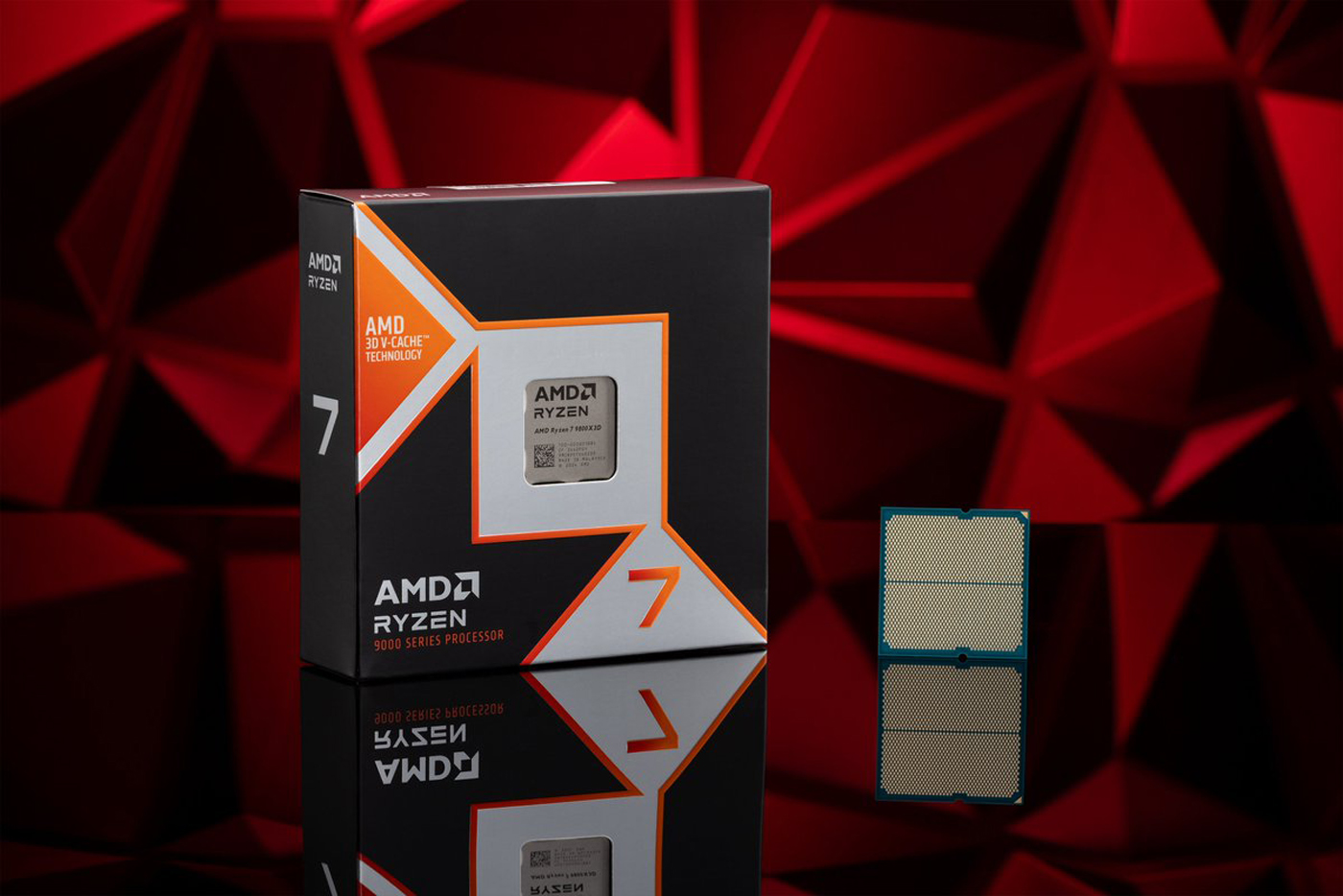
The tech world is abuzz with news of a major lawsuit as Adeia, an Intellectual Property licensing firm, has taken legal action against AMD. The accusation centers around AMD’s alleged use of Adeia’s semiconductor patents. The outcome of this legal battle could have significant implications for AMD’s future strategies and its competitive edge in the market.
Allegations of Patent Infringement
Adeia has filed two lawsuits against AMD, claiming that the tech giant has been using its patented technologies without authorization. The lawsuits, lodged in the US District Court for the Western District of Texas, specifically focus on AMD’s use of hybrid bonding in their 3D V-Cache processors. This technology has been crucial for AMD, providing a competitive advantage over rivals like Intel since 2022 by enhancing gaming performance and other applications.
For years, AMD’s products have incorporated and made extensive use of Adeia’s patented semiconductor innovations, which have greatly contributed to their success as a market leader. After prolonged efforts to reach a mutually agreeable resolution without litigation, we believe this step was necessary to defend our intellectual property from AMD’s continued unauthorized use.
– Adeia
Potential Impacts on AMD
The lawsuit involves ten patents, seven of which are related to hybrid bonding, with the remaining three concerning advanced semiconductor process technologies. Adeia remains open to negotiation but is prepared to proceed in court if necessary. This could mean significant licensing fees for AMD, potentially affecting the costs of its 3D-stacked packaging products and influencing its long-term plans. This legal action is critical for AMD, given its timing and the specific technologies in question.
AMD has yet to provide a public response to these allegations. While TSMC manufactures the chips, Adeia has not targeted them in this lawsuit, focusing instead on AMD as the designer and primary beneficiary. Such disputes are not uncommon in the semiconductor industry, but this particular case is one that AMD must address swiftly and strategically.