

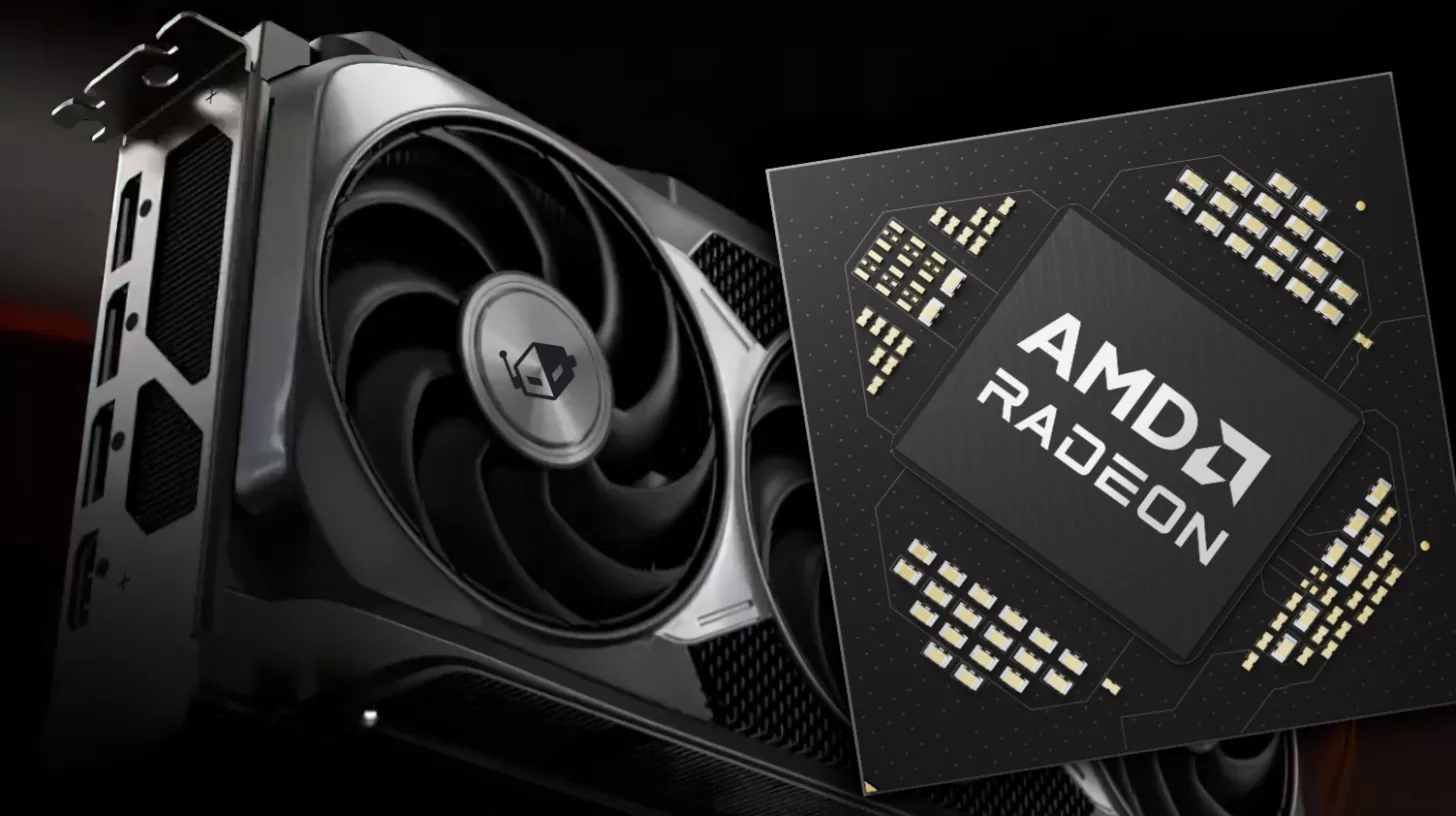
Gamers are bracing for a significant uptick in the cost of AMD’s Radeon GPUs, especially models with higher VRAM, which are projected to become considerably more expensive due to memory shortages impacting the technology sector.
Upcoming Price Hikes for AMD GPUs
Recent reports highlight that AMD is poised to increase GPU prices by 10%. The Chinese Board Channels have provided further insights into these hikes, attributing the increases to a surge in demand from the AI sector, which has led to rising DRAM costs. This situation is forcing companies like AMD and NVIDIA to alert their partners about impending price adjustments.
Regarding AMD graphics cards, multiple brands have officially notified their channels to stock up. The estimated price increase for the first wave is $20 for the 8GB version and $40 for the 16GB version.
It is expected that the price of graphics cards with 16GB of video memory will increase by about 600 yuan within the year, while the price of 8GB versions will increase by about 300 yuan. At the same time, no new products will be launched throughout 2027.
Impact on AMD and Market Dynamics
AMD’s partners will face heightened GPU procurement costs since chipmakers bundle VRAM with GPUs. However, NVIDIA has reportedly ceased this practice, leading partners to procure memory directly from DRAM providers, who are currently charging premium prices.
- 2026 Phase 1 For 8 GB GPUs = +$20 US Price Increase
- 2026 Phase 1 for 16 GB GPUs = +$40 US Price Increase
- 2026 Phase 2 for 8 GB GPUs = 300 RMB ($40 US) Price Increase?
- 2026 Phase 2 for 16 GB GPUs = 600 RMB ($85 US) Price Increase?
Both AMD and NVIDIA are expected to stagger these increases over the course of 2026, possibly starting as soon as this month or in January 2026. AMD’s price adjustments are reportedly based on the VRAM levels in their GPUs, with initial increases of $20 for 8 GB GPUs and $40 for 16 GB GPUs. This trend is expected to continue, with 16 GB GPUs eventually seeing price surges up to 600 RMB or $85 US, and 8 GB GPUs increasing by 300 RMB or $40-$45 US.
The ramifications of these hikes will particularly affect entry-level GPUs like the RX 9060 XT 16 GB and could influence competitive offerings. If Intel and NVIDIA follow suit, mainstream models such as the Arc B580 12 GB, Arc B570 10 GB, and RTX 5060 Ti 16 GB may see diminished value in terms of cost-effectiveness.

Looking Ahead: No New Launches Until 2027
Sources indicate that AMD has no plans for new product launches until 2027, with rising memory costs and the ongoing shortages largely to blame. Similar issues are rumored to affect NVIDIA’s RTX 50 SUPER refresh. These developments suggest that gamers worldwide might face increased prices, with the AI boom partly responsible as companies prioritize profits over customer loyalty.
Ultimately, DRAM suppliers are the root cause of this predicament, and there seems to be no immediate resolution. A forthcoming report will delve deeper into the DRAM crisis and its broader implications. Although some suggest a boycott of current pricing, it may have little impact, as manufacturers continue to capitalize on the AI trend. Additionally, rumors hint at AMD planning to raise CPU prices imminently.