


AMD’s upcoming GPU architecture, potentially branded as RDNA 5 or UDNA, is poised to reshape the company’s approach in the graphics card market. Unlike targeting NVIDIA’s top-tier 90-series, AMD seems intent on building upon its existing foundation, catering primarily to enthusiasts and the mainstream audience. Before delving deeper into what’s coming with RDNA 5/UDNA, it’s crucial to reflect on the strides AMD made with RDNA 4.
AMD’s RDNA 5 GPU Lineup – What the Future Holds
With the RX 9000 series, AMD made a significant pivot in its GPU strategy. Instead of directly battling NVIDIA’s high-end offerings, AMD focused on the enthusiast segment and the broader mainstream market. This approach aimed to avoid compromising its progress across all product lines by competing solely for the top spot. To drive this point home, the Radeon RX 9070 and RX 9070 XT saw unprecedented demand, thanks to their competitive pricing and availability. This suggests that the upcoming RDNA 5 might follow a similar path, emphasizing value and performance.
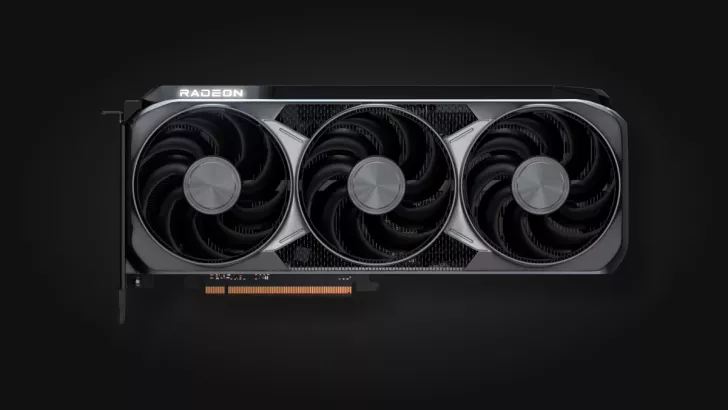
The ‘unified’ UDNA platform could offer AMD a more versatile product lineup, with predictions of substantial upgrades in the enthusiast GPU sector. As RDNA 5 emerges, expectations are high for both technical and architectural advancements.
AMD’s RDNA 5 – Enhanced Compute Units and Architectural Innovations
Initial rumors of RDNA 5 surfaced in July, hinting at exciting new architectures and configurations. The family, titled “GFX13”, will likely be crafted on the N3E process node, with mass production speculated to start by Q2 2026. The RDNA 5 flagship is expected to boast a 50% increase in compute units compared to the Navi 48 and a broader 384-bit memory bus, making it a strong competitor against NVIDIA’s 80-class models. This flagship is anticipated to include VRAM capacities beyond 16 GB, leveraging GDDR7 technology.
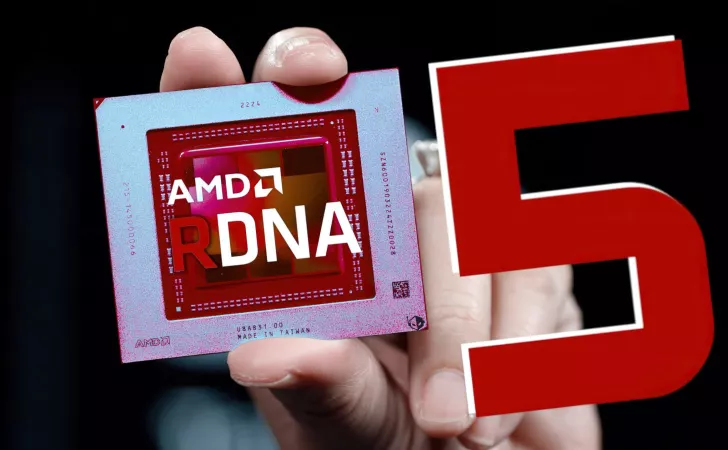
The shift to a chiplet architecture might see AMD implementing up to 128 cores per compute unit, doubling that of RDNA 4. This transition underscores the significance of RDNA 5. For mid-tier products, configurations are expected to span 40 to 24 compute units, while the entry-level could start at 12 compute units. These models, similar to the RX 9070 XT, are likely to be the core of AMD’s consumer sales, building on the success of the RX 9000 series.
AMD’s RDNA 5 – Exciting “Transformers-Inspired” Codenames
In a fun twist, AMD has given its RDNA 5 architecture some intriguing codenames inspired by Transformers characters. Historically, AMD used aquatic animals and celestial names for its products, so this isn’t entirely unexpected. The three codenames for RDNA 5 are as follows:
- Alpha Trion
- Ultra Magnus
- Orion Pax
These codenames seem to reflect the organization of AMD’s lineup: Alpha Trion for consumer GPUs, Ultra Magnus for Xbox Next SoCs, and Orion Pax for PlayStation Next chips.
AMD RDNA 5 Lineup – Expected Price & Release Date
While specific RDNA 5 pricing hasn’t been disclosed, the architectural upgrades suggest a possible increase over RDNA 3’s pricing. The RX 7900 XTX launched at $999, so the top-tier RDNA 5 could range between $1,000 and $1,500. These estimates hinge on rumored specifications, with RDNA 5’s release anticipated for late next year. Updates may surface during major tech events like CES 2026 or Computex 2026.
We will keep you updated as more information about RDNA 5 becomes available. Stay tuned for further developments.