

Another Sapphire RX 9070 XT Nitro+ Experiences Scorched 16-Pin Connector
In the world of gaming technology, hardware issues can sometimes disrupt the seamless experience that gamers seek. Recently, a concerning issue has been reported involving the 16-pin connectors of mid-range graphics cards, specifically impacting the Sapphire RX 9070 XT Nitro+. This problem has resulted in unexpected system crashes and hardware damage, highlighting a potential vulnerability in the design of these connectors.
The Latest Incident: A Gamer’s Nightmare
A Reddit user has brought attention to a new incident involving a burnt 16-pin connector on the RX 9070 XT. While reports of such issues are relatively rare, they pose significant concerns for gamers. The RX 9070 XT is known for its lower power consumption compared to high-end GPUs like the RTX 5080 and RTX 5090. However, it still utilizes the 16-pin power connector, which has been implicated in this and previous incidents. This marks the third reported case of a connector malfunction with the Sapphire Nitro+ edition of the RX 9070 XT. The user’s system, which had been running smoothly for nearly nine months, began crashing unexpectedly, leading to the discovery of the burnt connector.
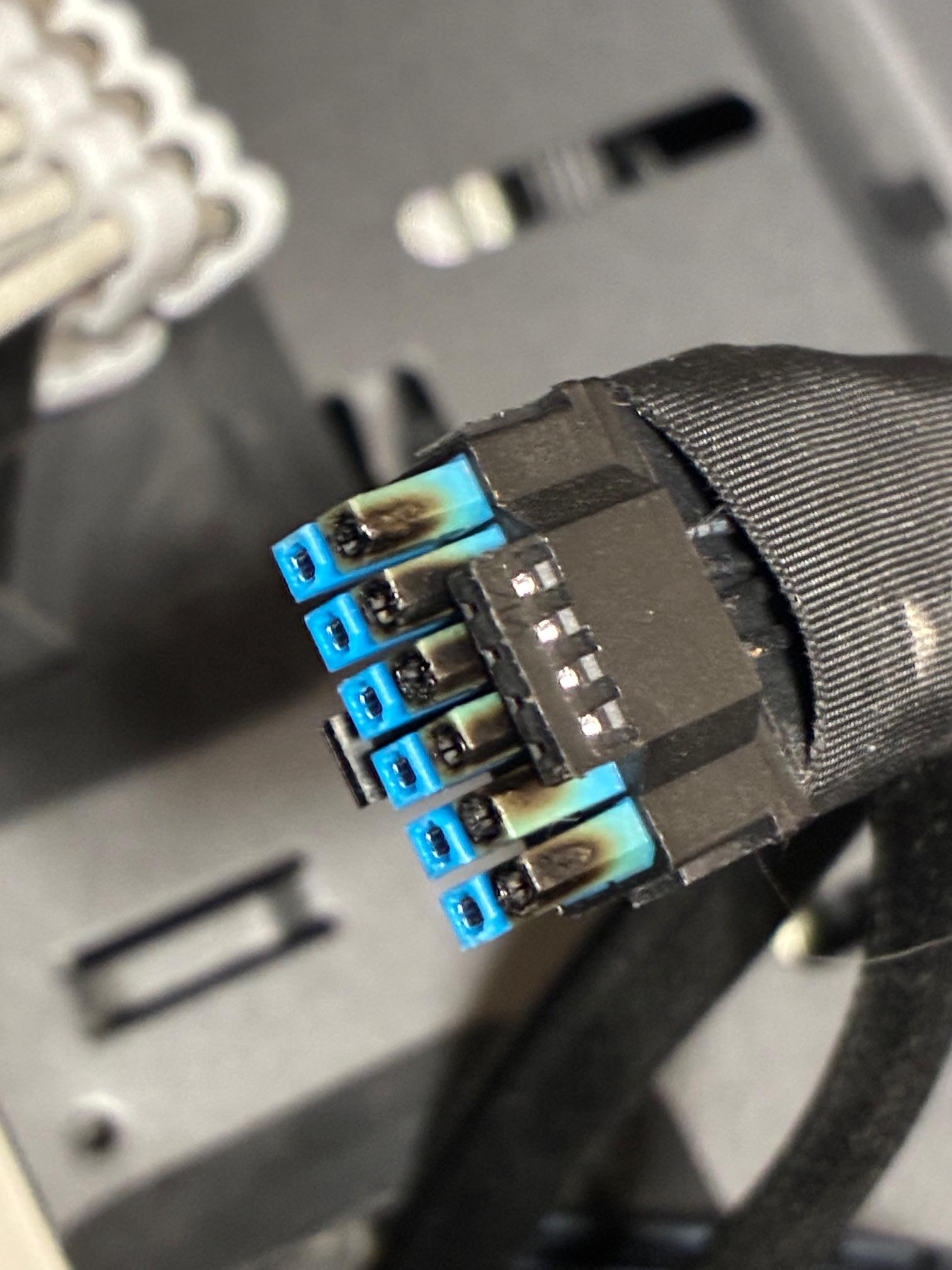
Investigating the Cause: Adapter and Power Supply Concerns
The Redditor discovered that the root of the problem was the burnt connector, primarily affecting the top row of pins. This issue often arises when the bottom row of pins is not properly connected, leading to an uneven distribution of power. In this case, the gamer was using a Corsair AX1200i power supply, which does not support the newer ATX 3.0/3.1 standards and lacks a 16-pin power port. Consequently, they relied on three 8-pin to 16-pin adapters included with the GPU. These adapters have been historically prone to failure, raising questions about their reliability and the decision to include them with the GPU.


Precautionary Measures: Avoiding Costly Damage
Gamers are advised to take extra precautions to safeguard their hardware investments. While the immediate damage to the RX 9070 XT was not apparent, the potential for connector pin damage remains. As GPU manufacturers have yet to implement significant preventive measures, users must remain vigilant to avoid costly repairs or replacements due to such issues.