
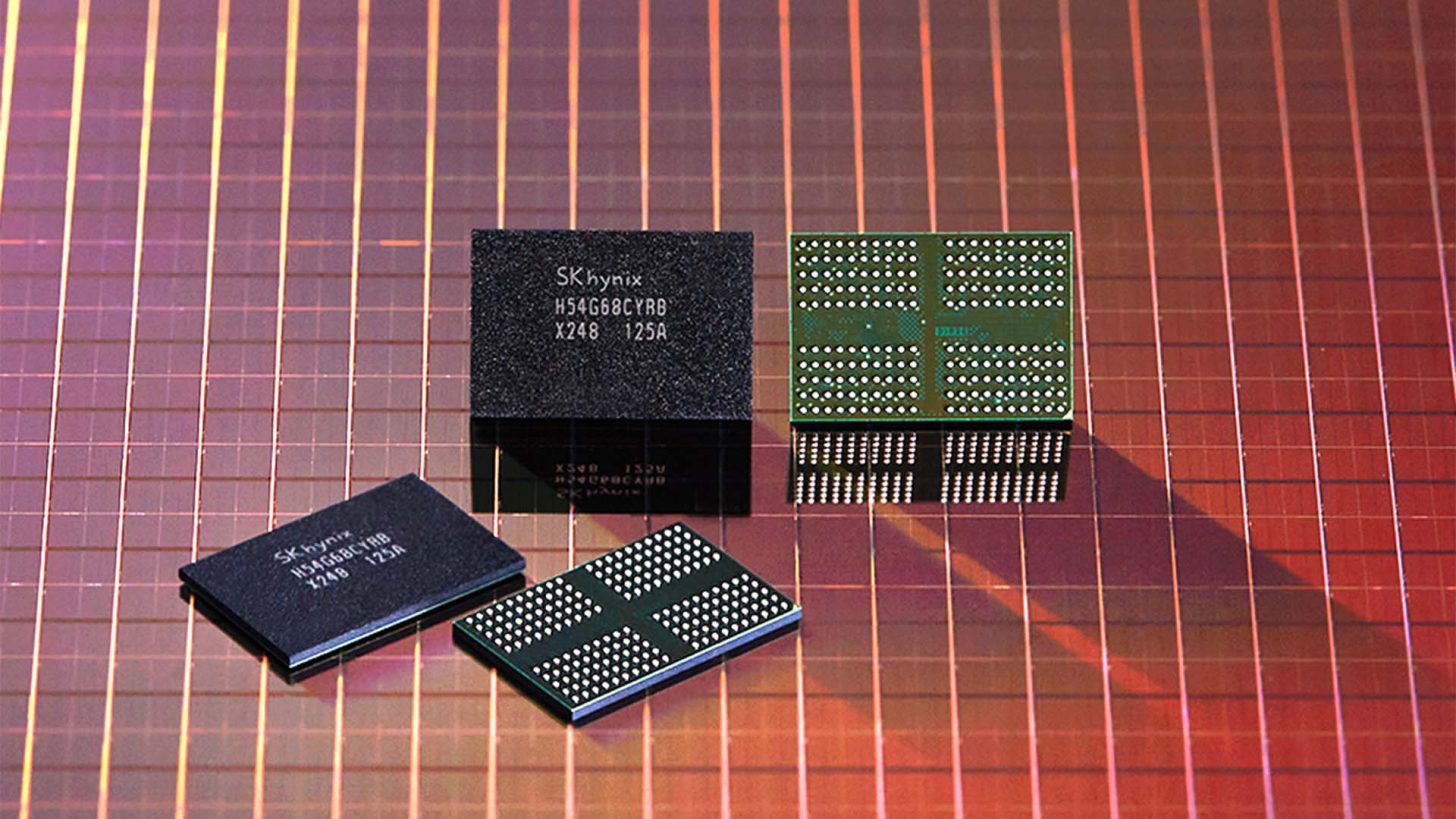
The world of technology is gearing up for a significant challenge as DRAM shortages are anticipated to become more severe. Reports suggest that DRAM contract prices might surge by as much as 50% in the first quarter of 2026, signaling potential disruptions in the market.
PC Manufacturers Race to Navigate Rising DRAM Prices
The year 2026 is shaping up to be a difficult one for gamers and tech enthusiasts alike. The ongoing DRAM supercycle is forecasted to intensify the existing supply issues, making it harder for manufacturers to secure the necessary components. According to insights from DRAMeXchange, the anticipated 50% hike in DRAM contract prices is likely to have a substantial impact on the PC supply chain.
This situation strengthens the suppliers’ pricing power while deteriorating the cost structure of PC OEMs dependent on module houses. The rise in DRAM prices is projected to hinder future sales momentum and increase the likelihood of further declines in inventory levels.
With DRAM prices set to rise, manufacturers are rushing to secure long-term agreements with memory suppliers to avoid severe shortages. Mainstream PC OEMs reportedly have only a few weeks of DRAM supply remaining and are proactively seeking contracts to cover the upcoming year, especially after recent CES announcements. In this seller’s market, PC manufacturers are expected to face significant costs to fulfill consumer demands.

Suppliers Focus on Profit Over Production
Key suppliers like SK hynix and Samsung are primarily focused on maximizing profitability rather than simply increasing production. Their attention isn’t just on the AI market; they’re also closely evaluating their PC industry customers. As a result, major OEMs such as Lenovo and Dell are preparing for significant price increases in the coming quarter, which will likely be reflected in their new product releases.
With data centers expanding rapidly, the ongoing memory shortages show no signs of easing. As DRAM suppliers strive to meet the soaring demand, consumers can expect significant price hikes for DDR5 and DDR4 memory types, adding pressure to an already strained market.