

“Easy to Play, Impossible to Master: How Tetris Is Transforming Into an Esport”
Tetris, a game created by Soviet programmer Alexey Pajitnov in 1984, has transcended its simple puzzle origins to become a global esports phenomenon. Initially released on the NES in 1989, Tetris has remained a cultural icon, continuously evolving to attract modern gamers with its blend of nostalgia, mechanical skill, and innovative production.
The Origin of Competitive Tetris
Tetris: More Than Just Placing Blocks
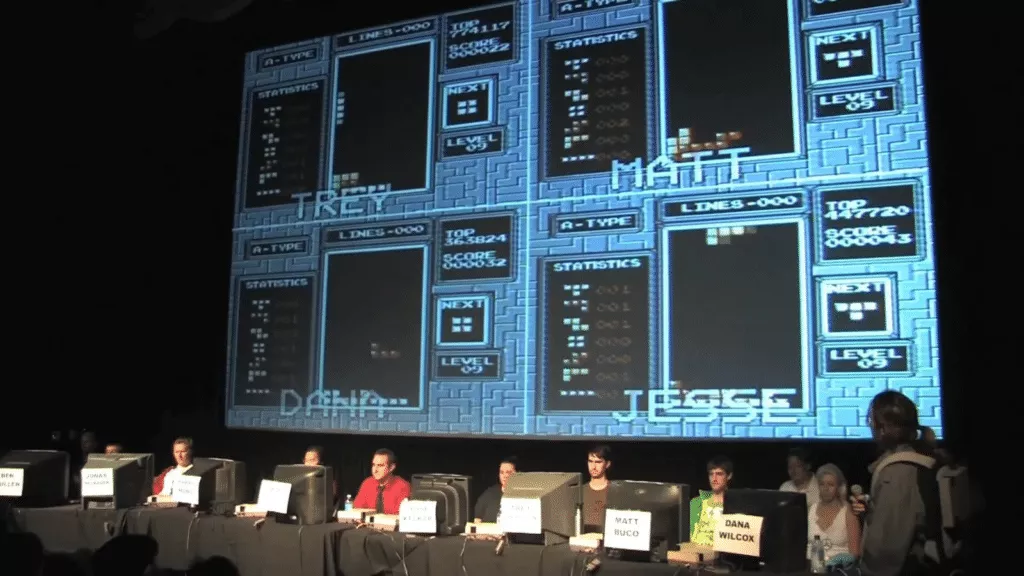
Originally crafted on an Electronika 60, Tetris has branched into arcade systems, consoles, PCs, and smartphones. Playstyles have evolved beyond chasing high scores to include competitive formats demanding mechanical precision and quick thinking. Techniques like hypertapping and rolling have raised the skill bar, and spectator-friendly tools on platforms like Tetr.io have ushered in a new era for Tetris as a spectator esport. With over 200 variants, the game’s dual identity complicates efforts to establish a global esports circuit. However, collaborative efforts with partners like SEGA and Red Bull have propelled Tetris into competitive gaming.
How Red Bull Redefined Competitive Tetris
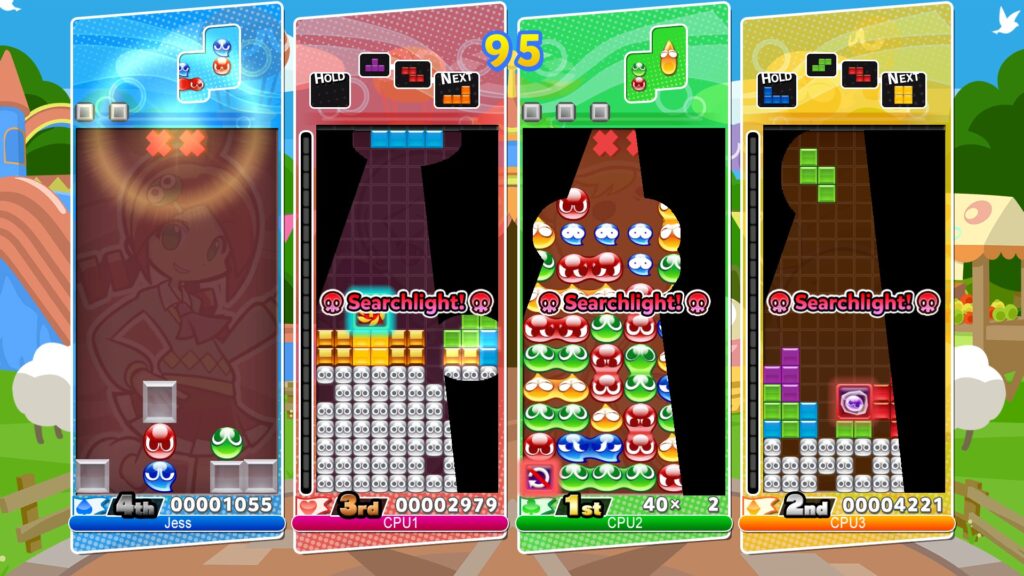
Red Bull’s involvement in Tetris has been transformative, establishing it as a modern global esport. Through Mobile and National Qualifiers, players from around the world competed for a spot in the World Final in Dubai. The event culminated with a groundbreaking display where finalists played on the Dubai Frame, accompanied by 2000 drones, with Turkey’s Fehmi Atalar ultimately taking home the trophy. Maya Rogers, CEO of The Tetris Company, aims to introduce Tetris to a new generation, transforming it from a simple video game to a comprehensive brand. With aspirations of becoming an Olympic esport, Tetris looks to expand into untapped markets, finding the right format to captivate a global audience.