

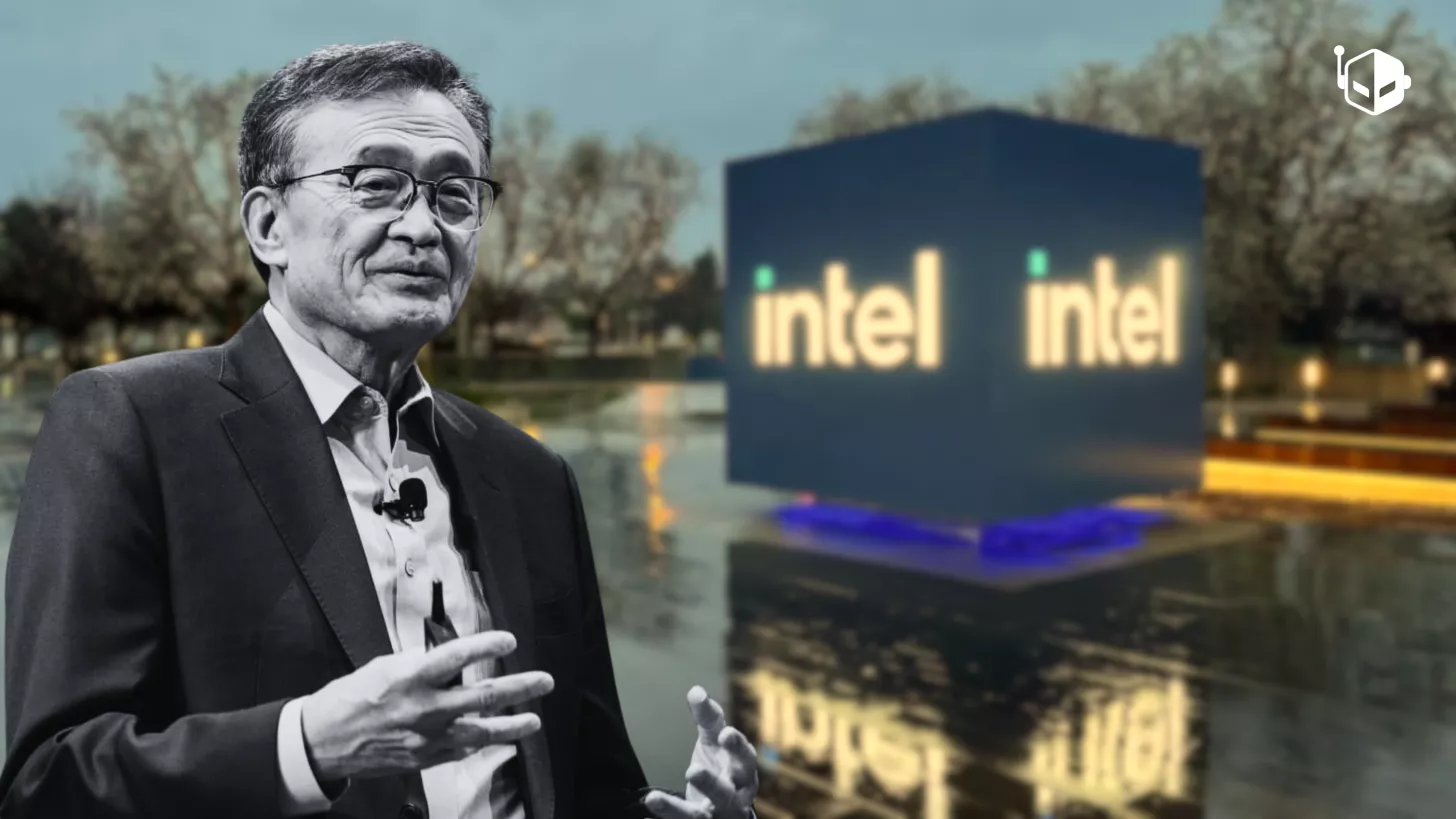
Intel is at a crossroads, grappling with the dual role of being both a competitor and a collaborator in the semiconductor industry. This complex dynamic has been highlighted by David Yoffie, a former board member, who suggests that Intel’s ambitions to expand its foundry business might be hindered by its current structure. The challenges posed by this duality are significant, especially when high-profile clients like NVIDIA, AMD, and Qualcomm are involved.
Navigating the Competitive Landscape
After a turbulent period following Pat Gelsinger’s exit, Intel found stability under the leadership of Lip-Bu Tan. Tan resisted calls for a foundry spin-off, believing instead in revitalizing the semiconductor division. Recent reports indicate interest from major players like AMD and NVIDIA in Intel’s 14A and 18A chips. However, Yoffie proposes that for Intel’s foundry division to truly thrive, the company must separate its product and foundry operations. Many industry insiders, including Yoffie, argue that the risk of exposing proprietary technology is a significant deterrent for potential clients.
The Case for Separation
NVIDIA and AMD are reportedly considering Intel as a foundry partner, primarily due to capacity challenges at TSMC and a push for US-based manufacturing. Despite this interest, Yoffie believes the fear of ‘technology transfer’ remains a barrier, making a foundry spin-off a compelling solution. Intel, recognizing these concerns, has already started to operate its foundry as an independent entity.

Intel’s VP John Pitzer emphasized at a recent conference that the company is taking definitive steps towards establishing its foundry as a separate legal entity. This move is driven by engagements with clients who prefer a clear distinction between Intel’s foundry and product businesses.
Future Prospects of Intel Foundry
The path forward for Intel Foundry is filled with anticipation as it moves towards the mass production of 18A and next-gen 14A chips. These advancements are crucial for the foundry’s future viability. Fabless companies prioritize tech security, and the current conflicts of interest suggest a need for an independent operational structure within Intel to maintain client trust. As Intel continues to navigate these challenges, it remains a key player, drawing lessons from its longstanding relationship with TSMC, where it has successfully managed technology-sharing concerns.