

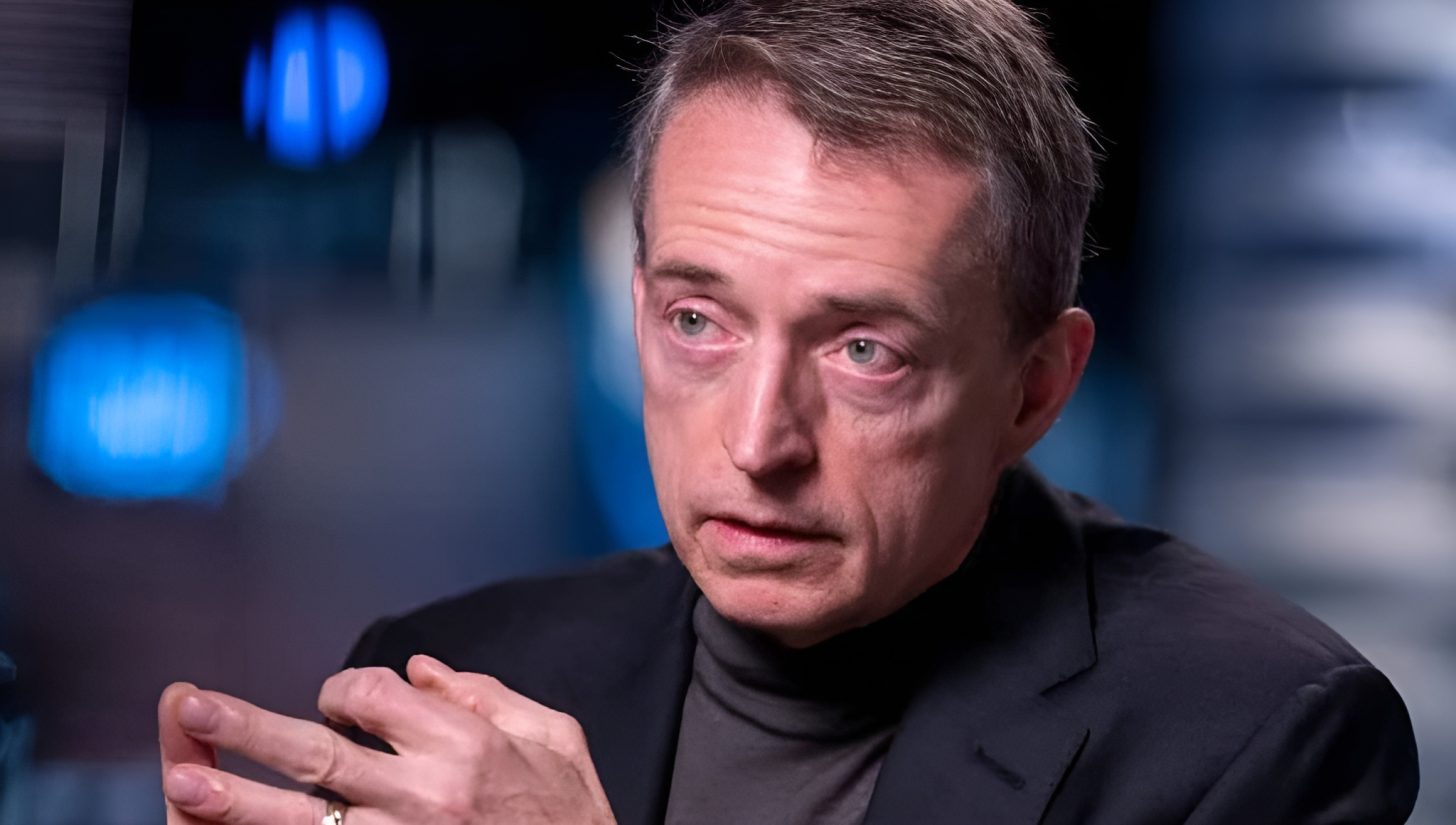
In a recent revelation, Intel’s former CEO, Pat Gelsinger, shared intriguing insights into the future of AI and quantum computing. He suggests that a significant quantum breakthrough could soon disrupt the current AI landscape. Gelsinger, now affiliated with Playground Global, reflects on his time at Intel and the challenges faced during his leadership.
The Future of Quantum Computing
During an interview with the Financial Times, Pat Gelsinger shared his thoughts on the transformative potential of quantum computing. He considers quantum as part of the “holy trinity” of computing, alongside classical and AI. Gelsinger predicts that quantum technology will become mainstream much sooner than expected, potentially ending the dominance of GPUs. Gelsinger believes this shift could arrive in just two years, challenging NVIDIA’s Jensen Huang, who estimates a two-decade timeline.
Moreover, he likened the Microsoft-OpenAI partnership to the historic collaboration between Bill Gates and IBM in the 1990s, suggesting that OpenAI is acting as a distribution partner for Microsoft’s AI-driven computations.
Challenges During Gelsinger’s Intel Tenure
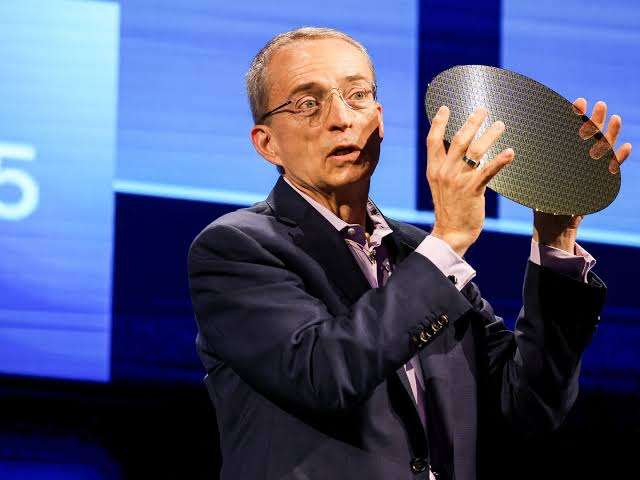
Reflecting on his time at Intel, Gelsinger acknowledged significant internal issues, noting a loss of “basic discipline” that led to delays in critical products like the 18A. He admitted that when he took over, the company had been blindsided and struggled with engineering challenges, leading to missed deadlines and incomplete projects.
Reflections and Future Prospects
Gelsinger’s tenure at Intel was marred by unmet promises and restructuring needs. He was tasked with delivering the 18A within five years, a goal left unachieved before his departure. His successor, Lip-Bu Tan, ultimately discontinued the 18A project, further emphasizing the challenges Intel faced during Gelsinger’s leadership.