

Intel’s Raptor Lake CPUs have faced ongoing issues, creating challenges for gamers over the past year. Despite offering RMA guarantees, recent reports indicate that Intel is failing to honor agreements with customers, leading to growing frustration.
Intel’s Refund Promise: A Broken Commitment
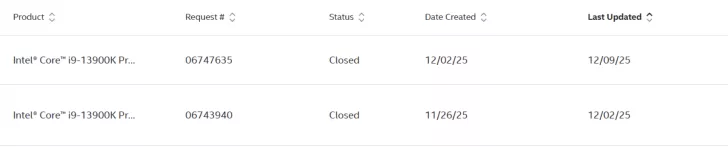
The challenges with Intel’s consumer CPUs, particularly following the release of Raptor Lake, have left the company struggling in the desktop market. Competing against AMD has been tough, impacting Intel’s market share. Moreover, the company’s handling of RMA requests for its 13th-gen CPUs has caused dissatisfaction among users. A customer, referred to as ‘Superino’, shared evidence of Intel initially agreeing to a refund but not delivering on that promise.
Over the last few months, there have been numerous incidents where Intel’s RMA service has disappointed gamers. Valid requests have been rejected or ignored, and despite a year of ongoing issues, reports suggest Intel remains hesitant to address RMA concerns adequately. Superino, who attempted to secure an RMA for his i9-13900K, initially received a refund offer from Intel, which was later retracted without justification.

Superino, needing to resolve his system issues, purchased a new i9-14900K, expecting Intel to address the refund later. Yet, he was met with a rejection due to “Proof of Purchase failed validation,” despite having a valid invoice from a reputable retailer. Intel’s customer support revoked the refund, offering a standard replacement instead.
Intel’s Support Struggles Amidst Raptor Lake Issues
While a replacement for the i9-13900K was sent to Superino, his efforts to contact Intel for an explanation went unanswered. Currently, he is reaching out to consumer protection authorities to pursue the initially promised refund. This situation has underscored significant shortcomings in Intel’s customer support following the Raptor Lake instability crisis.
The lack of response from Intel’s support team, combined with the mishandling of RMA requests, has raised significant concerns about the company’s ability to meet customer expectations, particularly in the gaming community.
This story highlights a broader concern as Intel, once a leader in consumer CPUs, now struggles to maintain consumer confidence and retail interest amid its ongoing support challenges.