

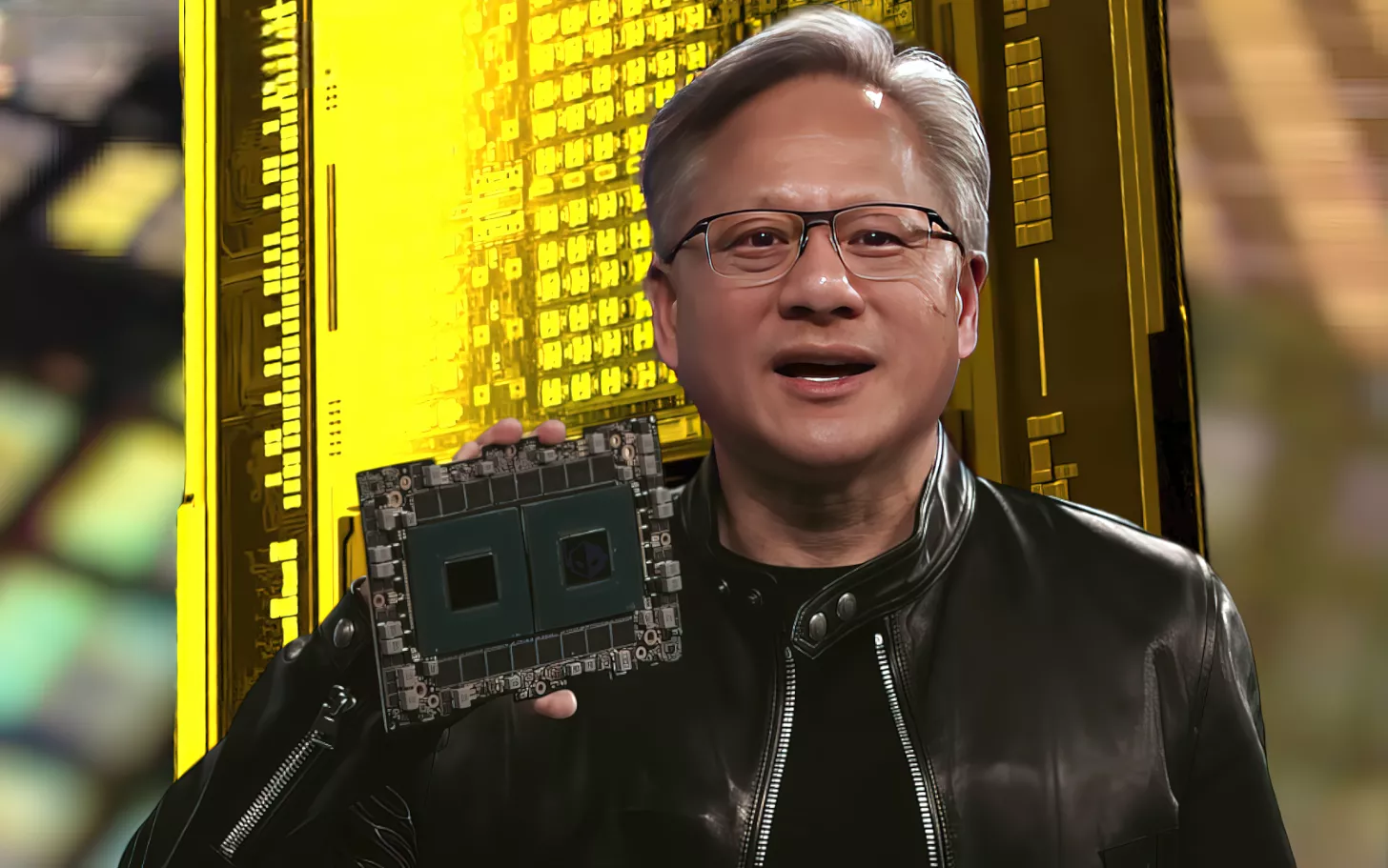
NVIDIA is once again venturing into the Chinese market with its Hopper H200 AI chips, marking a significant move after past challenges. However, this re-entry comes with particular considerations that may impact the adoption of these chips.
NVIDIA’s Return to the Chinese Market
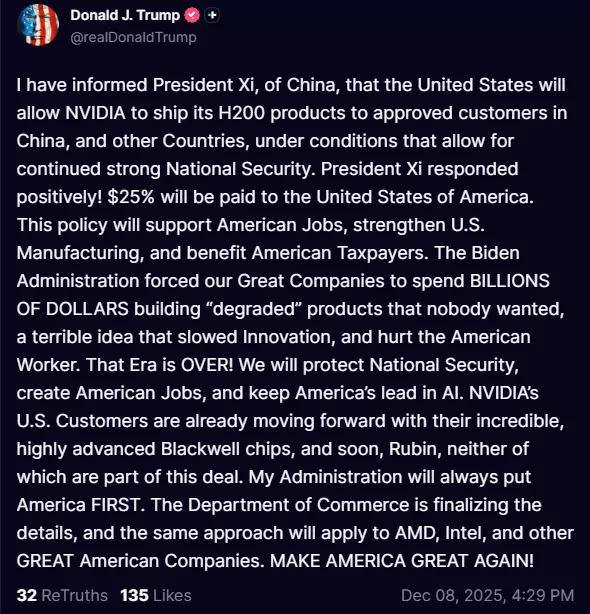
NVIDIA’s presence in China faced a major setback after restrictive US export controls led to a complete withdrawal from the market. CEO Jensen Huang criticized these restrictions, emphasizing the necessity for NVIDIA to remain competitive in China. Recently, reports suggest that NVIDIA received approval to sell its Hopper H200 AI chips in China, signaling a potential revival for the company in the region. President Trump’s announcement on the matter highlighted this development.
Challenges with Hopper H200 AI Chips
Despite the approval to sell the Hopper H200, NVIDIA faces challenges. China has become reliant on the Hopper generation, yet local solutions like Huawei’s Ascend 910C AI chips reportedly outperform NVIDIA’s top-tier Hopper H100 chips. Sources indicate that Jensen Huang expressed skepticism about China’s acceptance of the H200, adding complexity to NVIDIA’s strategy.
Moreover, NVIDIA must navigate a 25% tariff on each H200 chip sold in China, posing a dilemma: inflate prices to preserve margins or absorb the cost themselves. Given the premium pricing of NVIDIA’s AI chips, Chinese tech companies might be hesitant to invest, particularly with competitive domestic alternatives available. The approval of the H200 still represents an opportunity for NVIDIA, but stringent conditions could limit its influence in the Chinese market.

Competition and Future Prospects
Chinese companies previously showed enthusiasm for NVIDIA’s H20 AI chips, but evolving technology from domestic firms like Huawei is shifting preferences. Local firms may prefer homegrown AI chips despite challenges in model training due to the lack of a robust framework like CUDA. However, the presence of NVIDIA’s technology in China still holds potential, even if it doesn’t dominate the compute market.
As the situation progresses, NVIDIA’s ability to adapt will be crucial. With President Trump’s declaration that the Blackwell/Rubin series won’t be sold to China, NVIDIA faces increasing competition from Chinese AI chip makers, putting the company in a challenging position.