
NVMe SSDs Achieve Impressive Performance Boosts in Random Read/Write on Windows 11
The advent of a native NVMe driver has stirred excitement among tech enthusiasts, as it promises a significant boost in performance for users of Windows operating systems. Historically, NVMe SSDs have gained widespread adoption, yet their full potential has been somewhat hindered by existing compatibility layers. Recent developments, however, may offer a glimpse into a faster, more efficient future for data storage.
Unlocking NVMe Performance in Windows 11
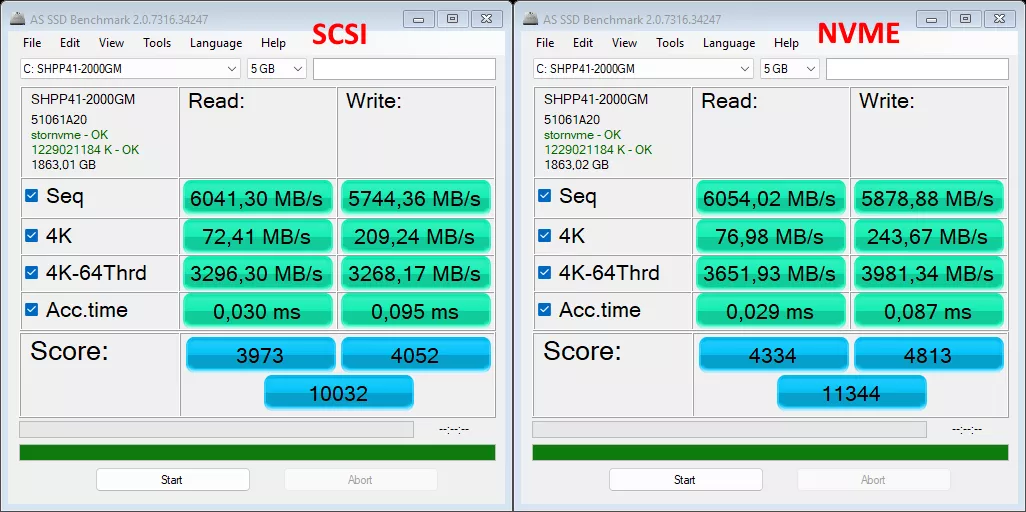
In a surprising twist, Microsoft has released a native NVMe driver, but it is exclusively available for Windows Server 2025. This leaves users of Windows 10 and 11 without official support. Nevertheless, some enterprising individuals have found a way to enable this driver in Windows 11 through registry tweaks, observing remarkable performance improvements. One user achieved a 9%/19% increase in average read/write speeds, as demonstrated in an AS SSD benchmark.
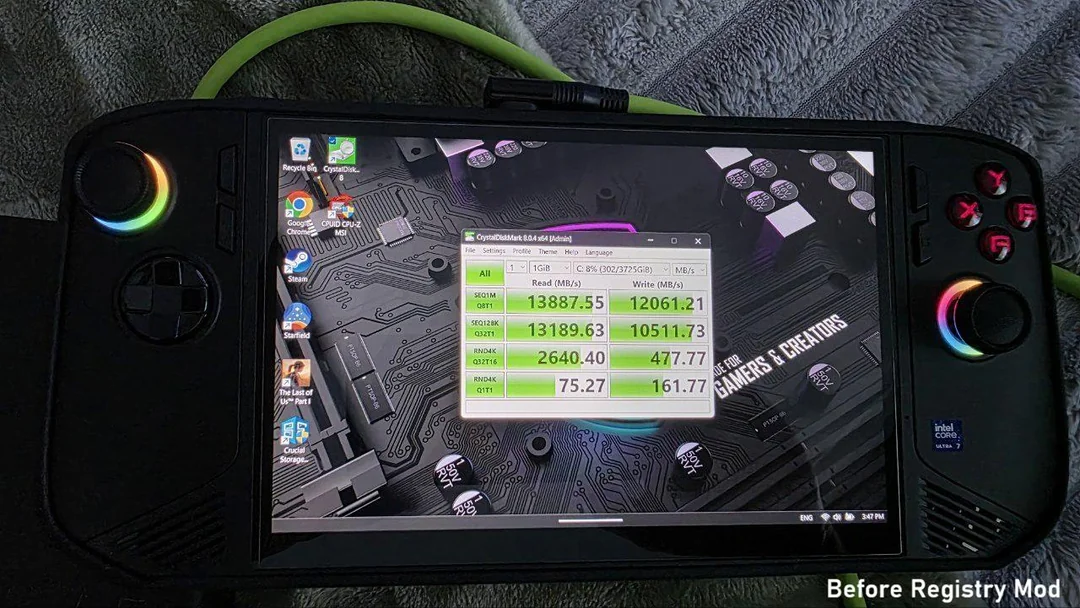
Sources indicate that the impact of the native NVMe driver is considerable, particularly in random read/write operations compared to sequential ones. These gains are not just theoretical; users on platforms like Reddit have shared benchmarks showing significant improvements. For example, a Reddit user noticed a 4%-11%/7%-85% enhancement in random read/write speeds on a handheld device using CrystalDiskMark 8.0.4.
The Challenge and the Promise
While the performance benefits are enticing, enabling the native NVMe driver is not without challenges. Reports of various bugs, such as drive inaccessibility, suggest that this workaround may not be suitable for everyone. Despite these hurdles, the potential for NVMe SSDs to perform at their best is undeniable. Microsoft is urged to expedite making the native NVMe driver available to mainstream Windows operating systems to fully harness these capabilities.