

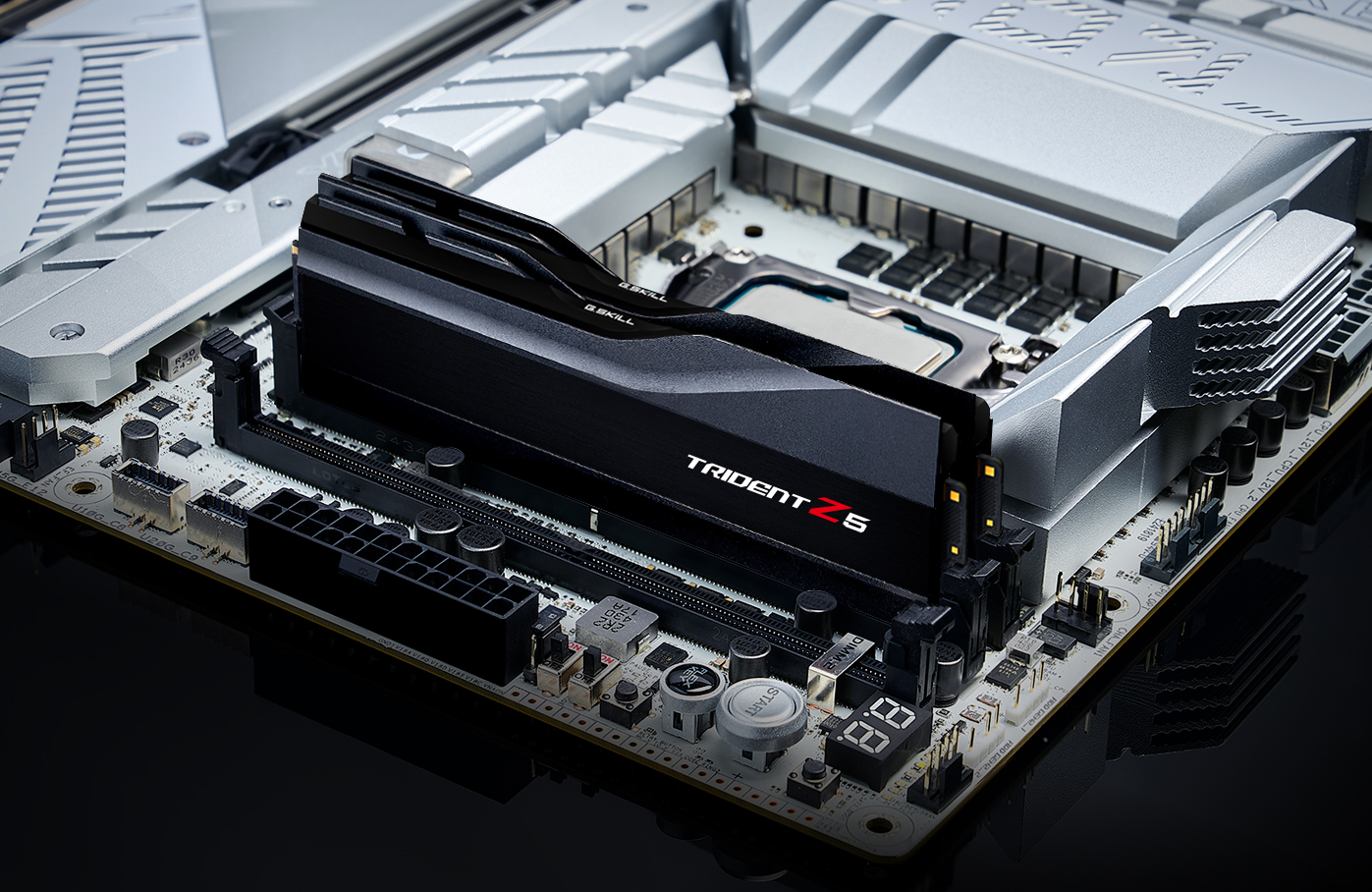
PC manufacturers are currently facing a critical shortage in memory supply, struggling to meet the ever-growing consumer demand despite having the necessary capital. This shortage is creating significant challenges across the industry, with various companies exploring different strategies to address the issue.
Efforts to Secure Memory Supply
Recent reports indicate that the PC industry is experiencing a state of ‘desperation’ due to severely constrained DRAM supply lines. Major companies like ASUS, HP, and Dell are finding it difficult to secure necessary allocations, prompting them to engage directly with suppliers such as Samsung and SK hynix for long-term agreements (LTAs). However, these efforts are being hampered by ongoing supply constraints, which fail to meet rising demand. DDR5 memory prices are projected to surge by up to 45% next year, further disrupting the PC industry’s balance.

Manufacturers’ Strategies Amid Shortages
Faced with severe shortages, manufacturers have a few strategies to consider. The first is to increase product prices, but this could deter consumer interest and necessitate significant price hikes to acquire current DRAM contracts. Alternatively, companies are considering offering modified product configurations. For instance, some firms are opting to use 8 GB of memory as a standard for mid-range laptops, despite software requirements suggesting 16 GB. This approach helps distribute DRAM usage across multiple products, serving as a temporary fix. Another option is delaying product launches, a strategy already being implemented by some.
We anticipate that changes in our market response strategy, such as postponing product launches or downsizing our premium lineup, will inevitably be necessary.
– Industry insider via ChosunBiz
Future Implications for the PC Industry
As the memory shortage persists, significant impacts are expected on the PC supply chain. Major GPU manufacturers and CPU companies like Intel and AMD are pushing to advance timelines for releasing products utilizing the DRAM they have secured. This situation might lead to a ‘famine’ in the supply of next-gen releases, resulting in extended availability of current lineups in the market. The outlook remains challenging, with limited immediate solutions to the ongoing memory shortages.