
The gaming world was rocked recently by allegations surrounding Rockstar Games, as the company dismissed 34 employees, citing the unauthorized leaking of game details. This move has sparked significant controversy and protests, with accusations of union-busting making headlines.
Controversial Dismissals at Rockstar
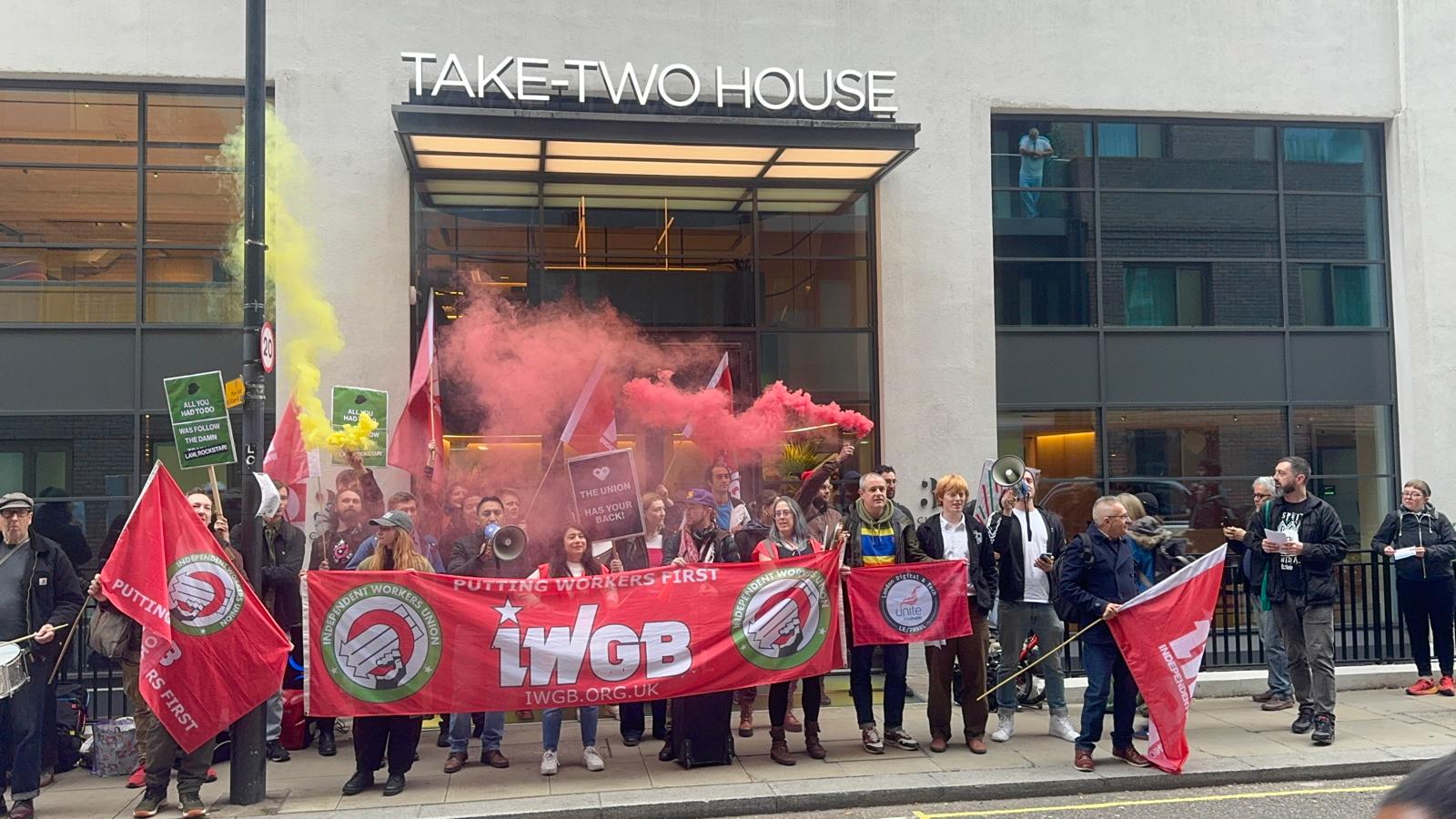
Among those let go were 31 staff members from the UK and three from Canada, leading to protests at Rockstar North in Edinburgh and Take-Two’s London office. The Independent Workers Union of Great Britain (IWGB) challenged Rockstar’s reasoning, arguing that the communication happened within protected union channels.
Last month, the IWGB escalated the situation by delivering 220 signed letters from staff members to Rockstar’s management, demanding the reinstatement of the terminated employees. The company, however, maintains its stance, attributing the dismissals to the breach of confidentiality regarding upcoming game features.
Political Intervention and Legal Action
The situation has caught the attention of UK Prime Minister Sir Keir Starmer, who expressed concern and pledged an investigation into the matter. The issue was also raised in Parliament, with local MP Chris Murray questioning Rockstar’s adherence to employment law.
Murray highlighted the lack of evidence and union representation in the dismissals and voiced concerns about potential union-busting activities. He emphasized the government’s commitment to strengthening workers’ rights, underscoring that every worker should have the freedom to join a union without fear of retribution.
In a dramatic twist, Murray revealed that a meeting with Rockstar was initially conditioned on signing a non-disclosure agreement, which was later retracted. This meeting failed to alleviate concerns regarding the adherence to UK employment law during the dismissal process.
Legal Battle Ahead
As the dust settles, the IWGB has formally filed legal claims against Rockstar, accusing them of “trade union victimisation and blacklisting.” The claims will first undergo tribunal examination to determine the possibility of interim relief for the affected employees.
In response to the allegations, Take-Two CEO Strauss Zelnick defended the company’s culture, expressing pride in their labor relations. The unfolding legal proceedings and governmental scrutiny highlight the broader implications for workers’ rights within the gaming industry.