

RTX 5090 D Falters at 5K: Struggles to Hit 60 FPS
The allure of the latest 5K ASUS IPS monitor is undeniable, boasting impressive specifications and a sleek design. However, the challenges it presents to even the most advanced GPUs raise questions about its practicality for most gamers. With a resolution that pushes the boundaries of current hardware capabilities, users might find themselves at a crossroads between visual fidelity and performance.
NVIDIA’s Flagship GPU Faces Tough Battle at 5K Resolution
Switching to 5K resolution might appear as a minor upgrade from 4K, but it actually increases the pixel count by a staggering 77% (from 3840×2160 to 5120×2880). Recently, ASUS introduced the world’s first 5K IPS gaming monitor, featuring dual-mode configurations of 5K@180Hz and 2K@330Hz, appealing to both immersive and competitive gaming enthusiasts. Despite its impressive specs, the monitor seems to outpace the current flagship hardware.
ASUS’s Tony showcased the struggle of the GeForce RTX 5090 D GPU to consistently hit 60 FPS at 5K resolution. On a 27-inch screen with 100% scaling, the impracticality of using 5K resolution becomes evident as elements appear too small. The increased pixel density surpasses that of a 4K display of the same size.
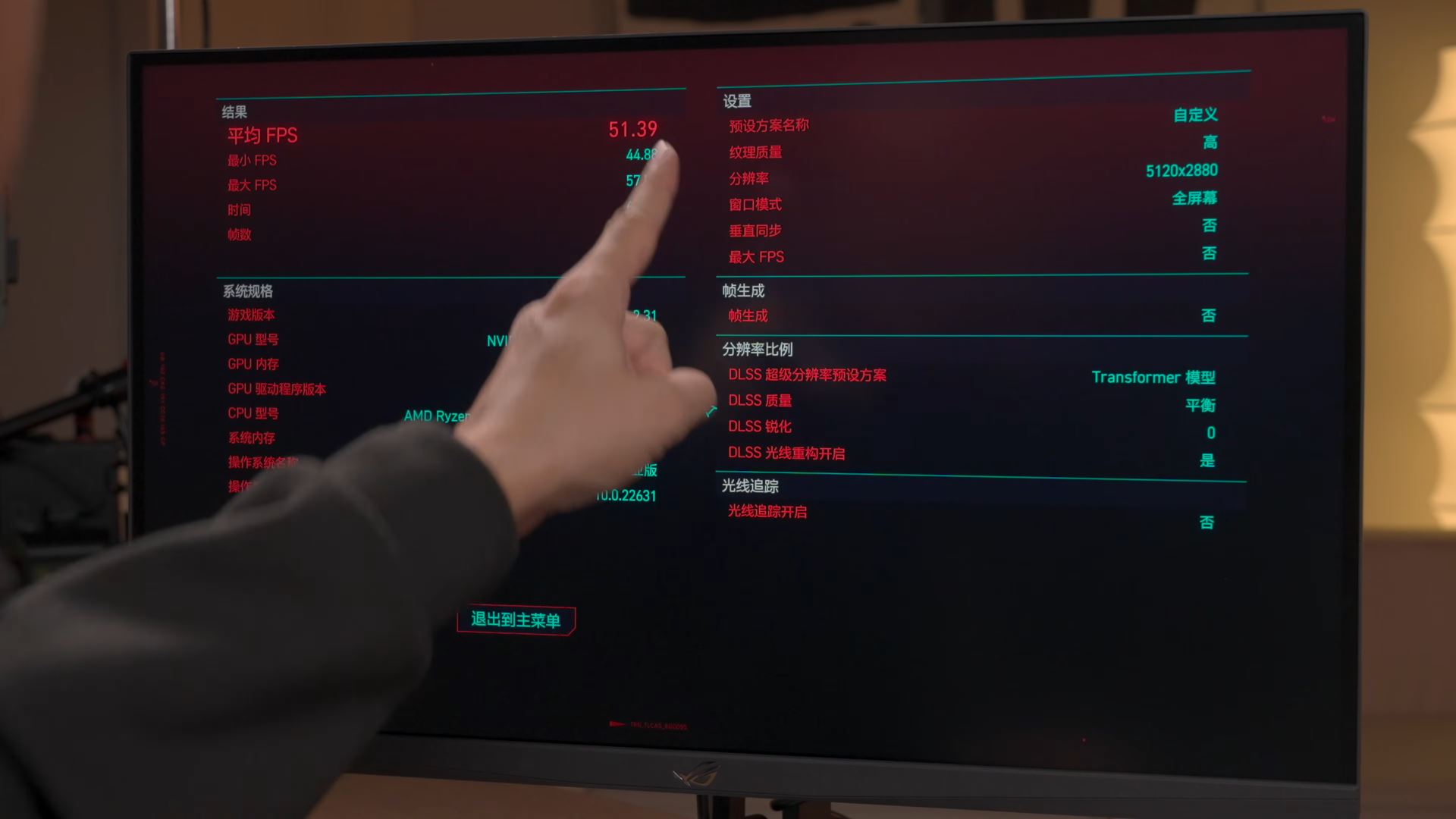
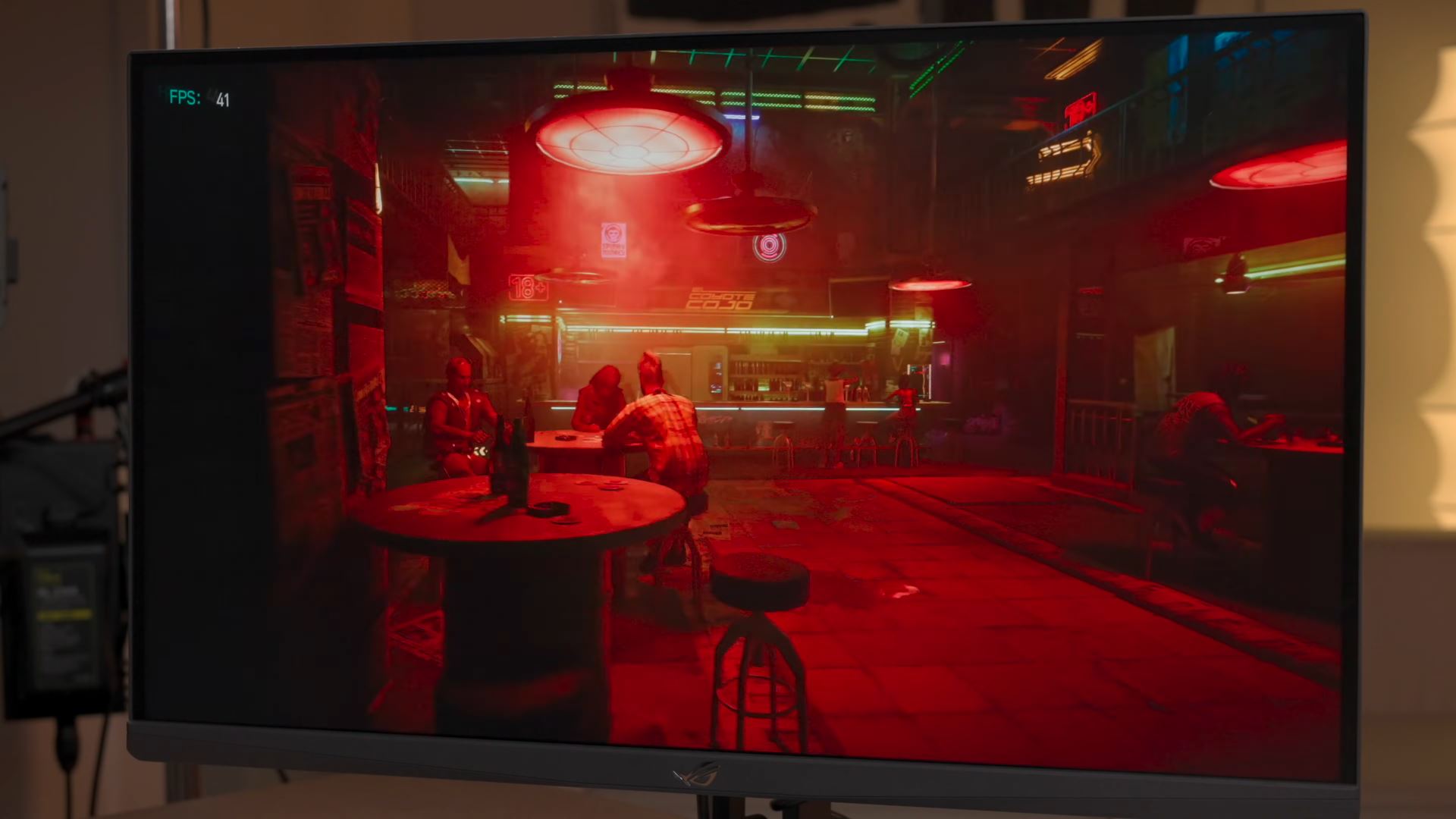
Running Cyberpunk 2077 with Ray Tracing set to Ultra and DLSS in Balanced mode produces mixed results. The game struggles to maintain 60 FPS, averaging at 51 FPS. Switching to a 4K resolution, however, sees a significant performance boost, with frame rates jumping to an average of 77 FPS. **The performance gap between 5K and 4K is around 50%, underscoring the challenges of high-resolution gaming.**
5K Gaming: A Dream or a Reality?
In less graphically demanding games like Counter-Strike 2, the RTX 5090 D fares much better, reaching nearly 300 FPS at 5K resolution. Yet, the experience is not entirely seamless, as frame rates occasionally dip below 200 FPS. With the monitor’s refresh rate capped at 180Hz, the benefits of playing at 5K diminish, encouraging gamers to opt for lower resolutions that align better with the refresh rate for smoother gameplay.
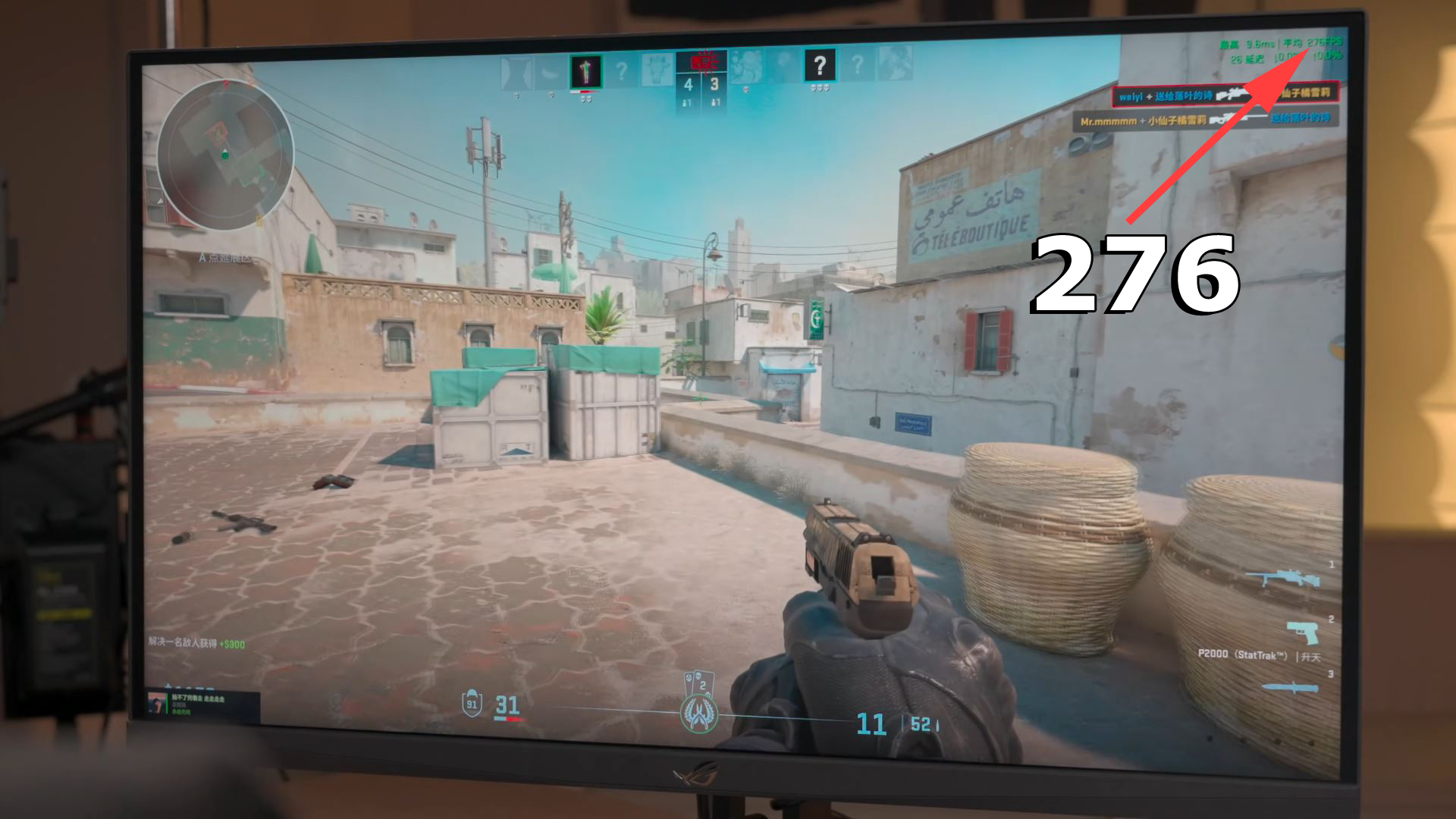
Ultimately, the latest 5K ASUS monitor represents a significant step in display technology. However, the demand it places on GPUs like the RTX 5090 D shows that the gaming industry has yet to catch up fully with this leap in resolution. For now, gamers might need to weigh the desire for cutting-edge visuals against the reality of performance limitations.