

Samsung and AMD Discuss 2nm Chip Partnership, Eyeing EPYC Venice CPUs as TSMC Rivalry Heats Up
Samsung Foundry is eyeing a significant resurgence in the semiconductor industry by engaging with AMD for its advanced 2nm (SF2) process technology. This collaboration is part of Samsung’s strategy to climb back to the top of the foundry market.
Samsung’s Strategic Move with AMD
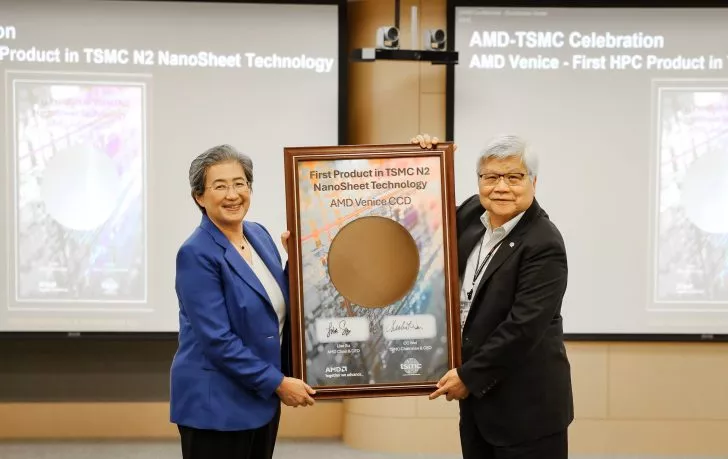
Samsung has struggled to establish itself as a leading foundry partner for external clients, often overshadowed by TSMC, which has secured major partners like Apple and AMD. However, as TSMC deals with supply limitations, reports suggest that AMD is in discussions with Samsung to utilize its SF2 process for developing a “next-generation CPU,” potentially for the EPYC Venice series.
The two companies plan to finalize the contract around January of next year after evaluating whether the process can actually achieve the performance level AMD demands. However, the industry believes that production is likely.
– Sedaily
Samsung has already signed significant agreements with Apple and Tesla, boosting its standing in the market. With TSMC’s 2nm production under pressure, AMD’s shift to Samsung for the EPYC Venice CPUs seems logical. The EPYC Venice CPUs are expected to be the next major product to adopt 2nm technology, indicating a promising collaboration between Samsung and AMD.
Future Prospects in the Foundry Industry
The Olympic Ridge consumer CPUs could also be a candidate for Samsung’s SF2 process, but their release is anticipated in late 2026, making the current focus on EPYC Venice more likely. If Samsung surpasses AMD’s expectations with the EPYC Venice, it might open the door for Olympic Ridge to follow suit. It is expected that Samsung will begin prototyping AMD chips soon, potentially marking a significant shift in the market.
As the demand for AI and advanced processing grows, fabless companies like AMD might need to consider a dual-sourcing strategy. Beyond Samsung, Intel presents another viable option, although clients may wait to assess Intel’s node performance before making commitments.