

Samsung Co-CEO Warns: Memory Shortages to Impact TVs, Home Appliances, and Beyond
The tech industry is currently grappling with a severe memory shortage crisis that shows no signs of abating. Samsung’s co-CEO has recently provided insights into the scope of this issue, emphasizing that it will affect a broad range of consumer electronics, from mobile phones to home appliances. This situation poses significant challenges for manufacturers in maintaining the balance between supply and demand, as DRAM prices are expected to soar in the coming quarters.
Impact on Consumer Electronics
Reports suggest that the memory shortages have escalated to a point where no industry player is immune. With DRAM contract prices anticipated to rise by over 50% in the first quarter of 2026, companies like Samsung and SK hynix are hesitant to enter long-term agreements. Instead, they focus on shorter commitments to navigate the volatile market. Samsung’s co-CEO TM Roh has highlighted the potential for increased product prices due to the surge in memory chip costs. Despite these challenges, Samsung is collaborating with partners to develop strategies to mitigate these impacts.
“As this situation is unprecedented, no company is immune to its impact,” Roh emphasized, noting the ripple effects on various consumer electronics, including TVs and home appliances.
He indicated that while price hikes might be “inevitable,” Samsung is actively working on long-term solutions with its partners.
– Reuters
Long-Term Outlook and Market Dynamics
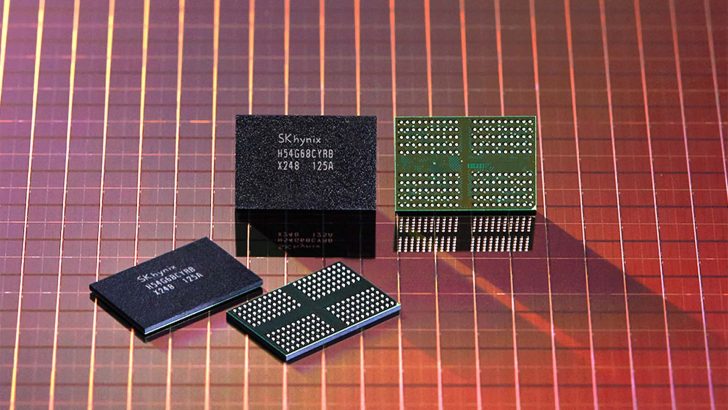
Sources have stated that companies like SK hynix and Samsung face difficulties in boosting their production capacities, primarily because any new output is first allocated to the burgeoning AI sector. This leaves traditional consumer sectors in a precarious position. The current forecast suggests that memory shortages could persist until at least 2027, particularly as the demand from tech giants for data centers and AI infrastructure remains robust.
As the AI industry continues to expand, consumers should brace for ongoing supply constraints across various electronics.