
The global market for DDR5 RAM modules is experiencing a turbulent time, with pricing spiraling out of control due to a surge in demand. This situation is making it challenging for consumers to find affordable options worldwide, as prices continue to climb steeply.
South Korea Sees Unprecedented Memory Price Surge
In South Korea, the DIY market is facing a significant upheaval. Reports suggest that distributors have begun requiring customers to purchase a motherboard alongside each RAM module. The demand driven by the “AI” boom has led to an extraordinary rise in hardware costs, forcing buyers to pay double the usual prices. However, the situation is even more dramatic for Samsung’s DDR5 memory, with prices escalating alarmingly.
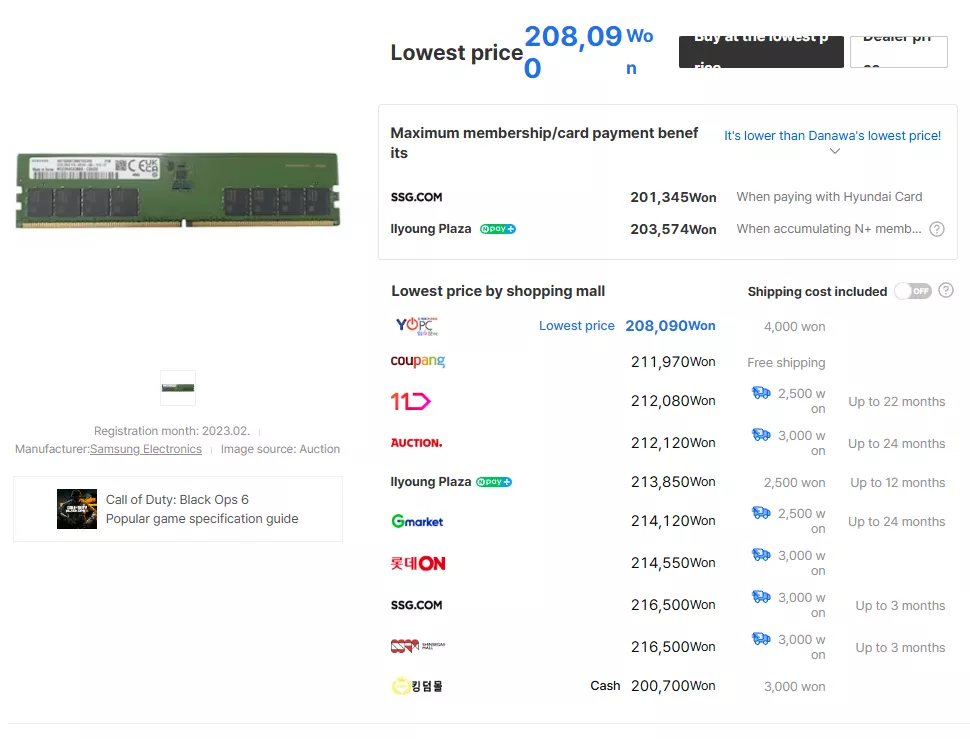
According to Danawa, which tracks various retailers’ pricing, the cost of the Samsung Electronics DDR5-5600 16 GB module has escalated over three times in just three months. Back in August, these modules retailed at around US$47, but they now stand at a staggering US$142. The price graph indicates a steady increase during August and September.
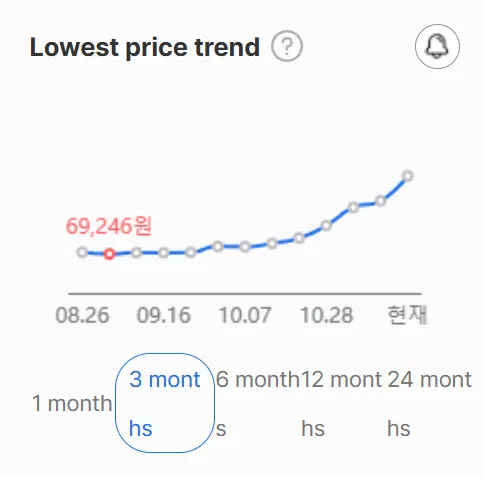
By the end of October, prices began to climb dramatically, and the upward trajectory has only accelerated. Some retailers are selling these modules for as much as US$148, a price point where consumers once purchased premium 32 GB DDR5 kits. This development surpasses previous reports of Samsung planning a 60% price increase for its DRAM chips.
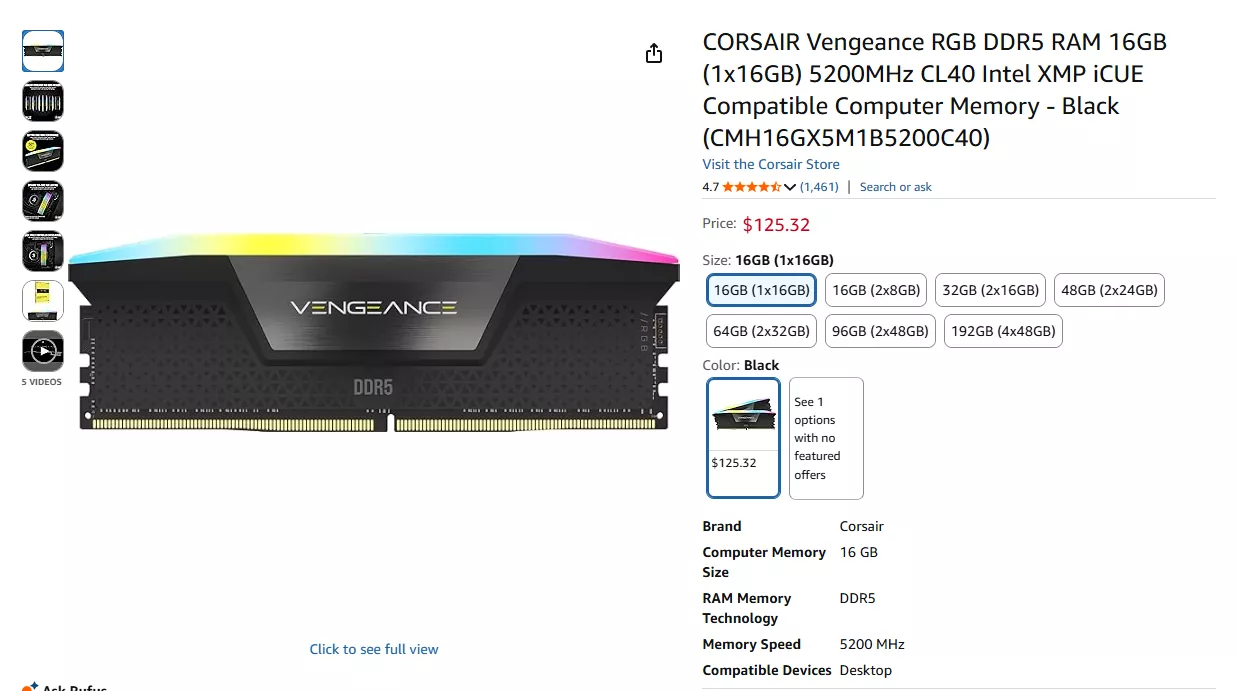
Global Effects of DRAM Shortages
The rise in DDR5 prices isn’t restricted to South Korea. Other regions are experiencing significant price hikes, with some modules priced over $100, such as the Corsair Vengeance RGB 16 GB 5200 MT/s module, currently listed at $125 on Amazon US. The shortages are impacting not only regular desktop and laptop DDR modules but also mini PCs, pre-built systems, and GPUs.
In recent developments, sources have stated that AMD has announced an imminent price hike for its GPUs due to escalating DRAM costs, marking the second such announcement since October. The future remains uncertain, with no signs of the AI-driven demand cooling down; until then, DRAM prices are expected to continue their upward trend.