

In an exciting development for the esports world, Team BDS has unveiled its new identity as Shifters. This transformation is part of a strategic overhaul that follows significant changes in leadership, aiming to position the organization for future growth and innovation.
From Team BDS to Shifters
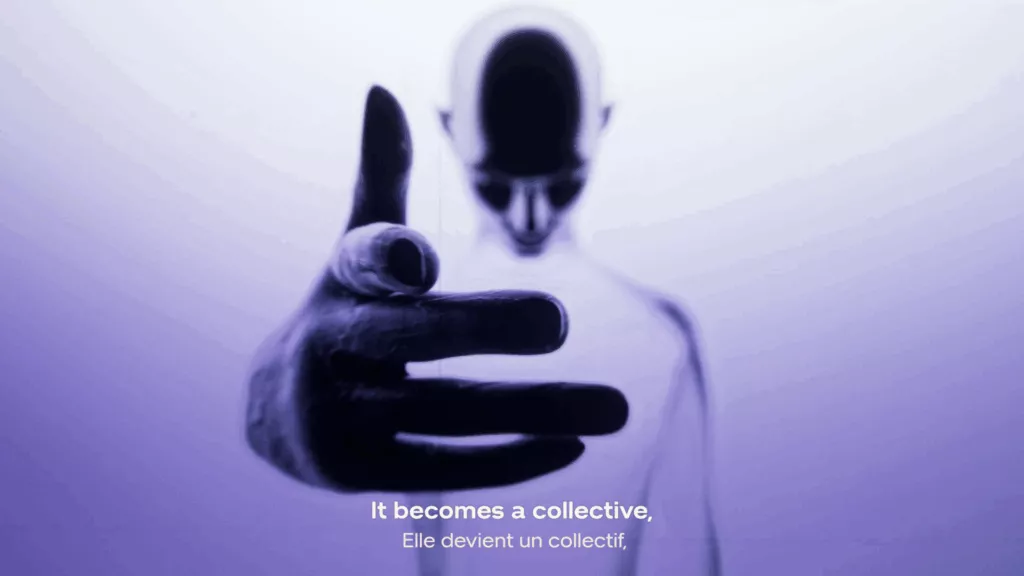
The rebrand was announced through a captivating video on X, showcasing a fresh purple aesthetic and an inspirational message about transformation. The shift is not just cosmetic; the Team BDS name will be fully retired, with Shifters taking its place across all competitive teams and operations. Reports suggest that the change also aligns with the organization’s anticipated move to a newly renovated headquarters in Geneva.
Jocelyn Roux, Legal Director, emphasized their commitment to strengthening local roots in Switzerland. The new Geneva location, spanning 730 square meters, is set to open by year-end. The rebranding effort, including creating new visual elements, is projected to cost around CHF300,000, with some tasks managed internally to optimize expenses.
Founded in 2018, this organization has become Switzerland’s largest esports team, competing in leading titles like League of Legends and Rainbow Six Siege. Over half of its workforce comprises professional players and coaches.
Leadership Changes and Future Plans
The rebrand follows the appointment of Alexandre Lopez as CEO, who took the helm in June. Lopez’s vision for Shifters is to embark on a ‘next chapter’ that aligns with its ambitious future goals. **By the end of 2025, the organization plans to inaugurate a new headquarters and gaming house in Geneva, alongside launching a nonprofit initiative to integrate gaming into hospitals and underserved communities.**
Shifters is not only focusing on core esports but also expanding into consulting services for Swiss and European brands and engaging in philanthropic activities through its Play&Share association, which aims to provide gaming experiences in pediatric hospital wards.
Rebranding has become common in esports as organizations adjust to evolving commercial and cultural landscapes. This trend reflects the dynamic nature of the global esports industry, where identity shifts are increasingly prevalent.