

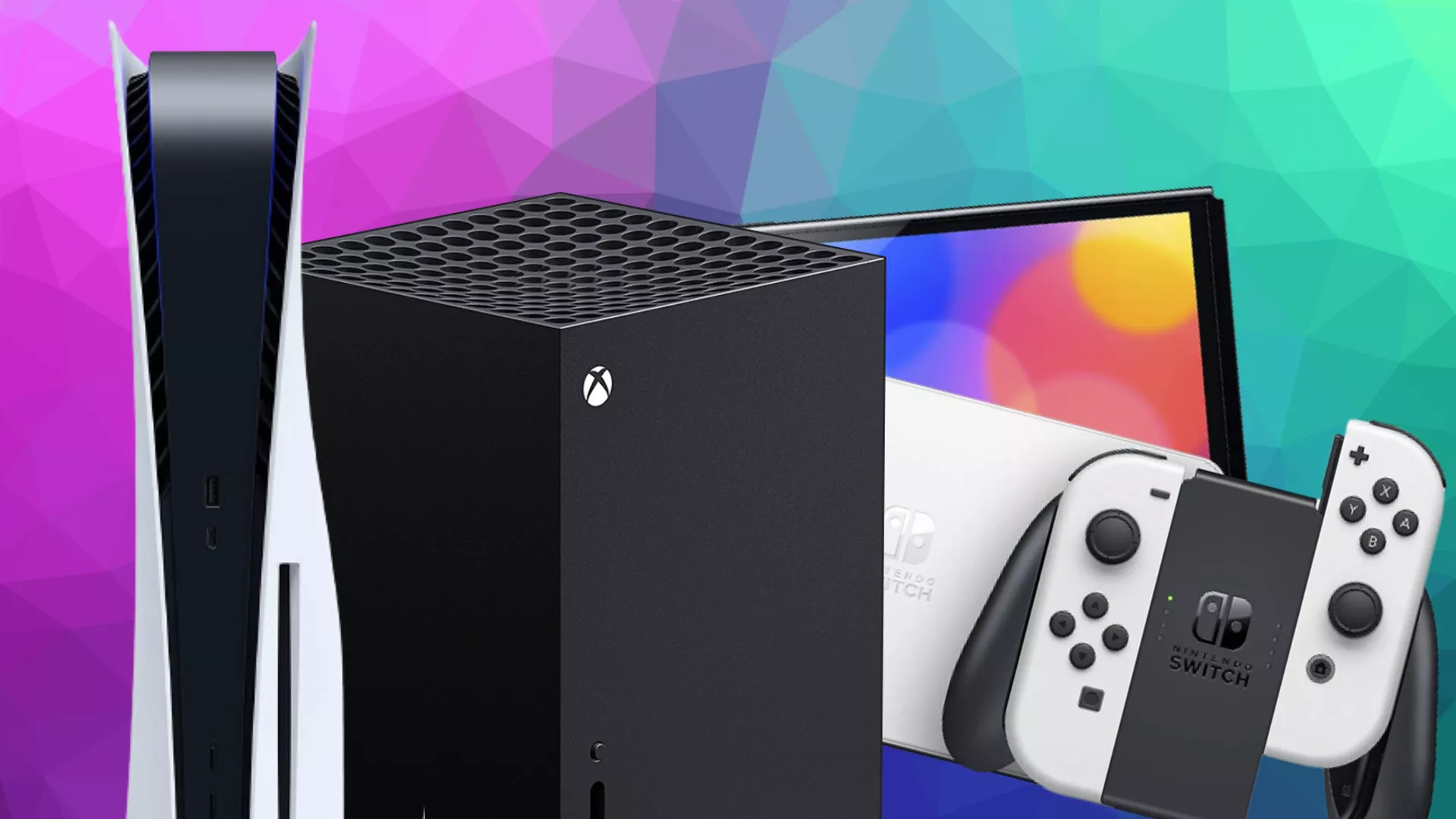
November 2025 brought surprising challenges to the U.S. video game market, traditionally a period of booming sales driven by Black Friday. Instead, it became the worst month in decades for video game hardware and physical software sales, echoing levels not seen since 1995.
Reports suggest that a comprehensive monthly analysis highlights the grim financial performance of the industry. The U.S. market experienced an overall decline of 4% year-over-year, totaling $5.9 billion in spending across hardware, accessories, and consoles.
Declining Hardware Sales
Hardware sales suffered significantly, plummeting 27% compared to the previous year, reaching $695 million — the lowest November total since 2005. Unit sales also dropped to 1.6 million, a low not seen since 1995.
The downturn was widespread. Xbox Series saw a 70% drop in sales, PS5 sales fell by over 40%, and combined unit sales of the Nintendo Switch and its successor, the Nintendo Switch 2, declined by over 10% despite the latter’s launch this year.
As experts note, video game hardware prices soared to new heights, averaging $439 per unit, a 11% increase from the previous year. Specifically, Xbox prices rose by more than 30%, potentially explaining consumer hesitance.
Even with the Nintendo Switch 2, which launched to become the fastest-selling console in U.S. history, sales patterns are under scrutiny. Despite its strong start, its November sales were lower than its predecessor’s launch year. Analysts speculate this might be due to early availability or rising prices, with the Switch 2 averaging $486 compared to the 2017 Switch’s inflation-adjusted price of $405.
Interestingly, the NEX Playground emerged as a surprising success, ranking third in unit sales for November, overshadowing the Xbox Series. Its affordability, retail presence, and effective marketing made it a standout during the holiday season.
Software Struggles
The content landscape wasn’t much brighter. Although overall content spending rose by 1% to $4.8 billion, driven by subscription and mobile growth, physical software sales nosedived by 14%, marking the worst November since tracking began in 1995.
Call of Duty: Black Ops 7 topped the sales charts, continuing the franchise’s long-standing success. However, it experienced a notable decrease in dollar sales compared to the previous year’s installment. This trend might be influenced by its availability on Xbox Game Pass, unlike its predecessor.
Accessories spending also took a hit, dropping 13% year-over-year.
Market Uncertainty
This unusual year raises questions about the future. Economic factors and high console prices might be prompting consumers to delay purchases. Analysts suggest that December results will offer clearer insights into this trend. The video game industry could be at a crossroads, grappling with high costs impacting both hardware and software sales. If current pricing pressures persist, the dedicated gaming device market may face significant challenges.
November 2025 U.S. Top 20 Best-Selling Games:
- Call of Duty: Black Ops 7 (NEW)
- Battlefield 6
- NBA 2K26
- Madden NFL 26
- EA Sports FC 26
- Pokemon Legends: Z-A*
- Ghost of Yotei
- EA Sports College Football 26
- Minecraft*
- Kirby Air Riders (NEW)*
- Hyrule Warriors: Age of Imprisonment (NEW)*
- The Outer Worlds 2
- Sonic Racing: CrossWorlds
- Donkey Kong Bananza*
- Marvel’s Spider-Man 2
- Red Dead Redemption II
- Grand Theft Auto V
- Borderlands 4
- Forza Horizon 5
- Digimon Story: Time Stranger
* Indicates that some or all digital sales are not included in Circana’s data. Some publishers, including Nintendo, do not share certain digital data for this report.